
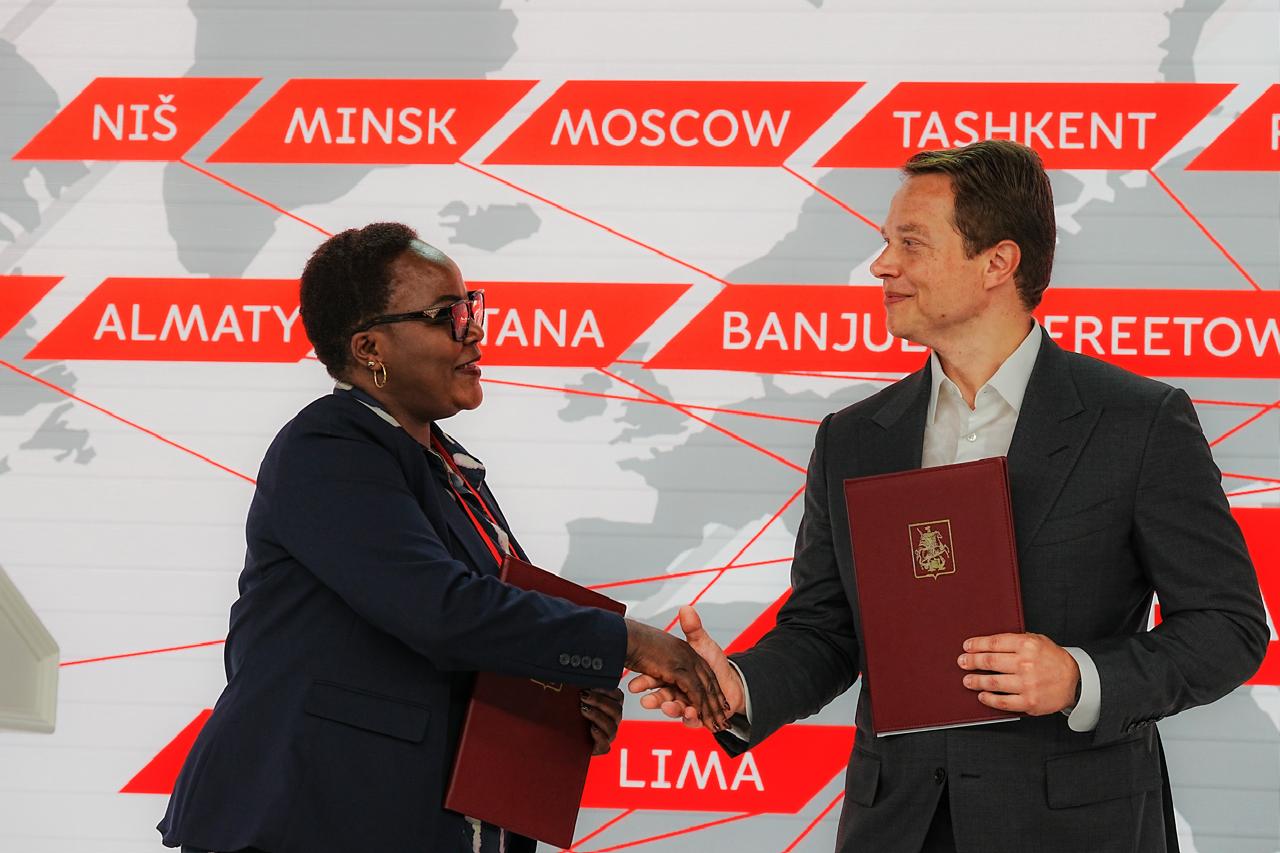
The global conversation around urban mobility took a major step forward last month with the official launch of the UrbanTransportData portal, an international platform for analyzing urban transport infrastructure. The launch, held on August 22, 2025, during the IV International Transport Summit in Moscow, marked a turning point not just for the project but for global cooperation in urban development.
The UrbanTransportData platform is designed to enable participating cities to collect, standardize, and compare data on urban transport systems. With approximately 600 indicators—including 50 key metrics—the platform offers cities a powerful tool for understanding global trends, identifying challenges, and exploring innovative solutions in urban mobility. What sets it apart is its ability to factor in the geographic and economic specificities of each city, enabling more nuanced and meaningful comparisons across regions.
African Cities Join the Movement
On the eve of the official launch, the project celebrated its largest expansion to date, welcoming 17 new cities and more than doubling its global participation. In a development dubbed the “African Expansion,” 10 African capitals joined the initiative:
- Addis Ababa (Ethiopia)
- Banjul (The Gambia)
- Windhoek (Namibia)
- Kampala (Uganda)
- Lilongwe (Malawi)
- Lusaka (Zambia)
- Nairobi (Kenya)
- Maputo (Mozambique)
- Freetown (Sierra Leone)
- Harare (Zimbabwe)
This historic inclusion of African megacities reflects the continent’s growing interest in leveraging data and digital tools to modernize its urban transport systems.
A Roadmap for Modernization
Participation in the UrbanTransportData project offers African cities a structured, data-driven pathway to transforming their transport infrastructure. Using a methodology developed by experts from the Moscow Transport Complex, cities can gather and organize detailed transport data suited to their local contexts.
Once integrated into the platform, cities can:
- Share data with global peers
- Engage in joint research
- Identify common challenges
- Collaborate on shared solutions
This process fosters cross-border learning and empowers municipal governments with the insights needed to build safer, more efficient, and more sustainable transport networks.
“Understanding current transport conditions, pinpointing key issues, and identifying realistic solutions is the essential first step toward building a modern urban transport system,” said a spokesperson for the project team.
Open Call for Participation
UrbanTransportData is actively seeking more African participants. Interested city representatives can submit an application directly through the official website or reach out to the team via email at UrbanTransportData@mos.ru.
Moscow officials emphasized their commitment to expanding international cooperation in transport, stating that the Russian capital is “always ready to develop partnerships in mobility with friendly cities across Africa and beyond.”
As urban populations surge and mobility demands grow, initiatives like UrbanTransportData are poised to play a key role in shaping the cities of tomorrow—smarter, greener, and better connected.
About the Author