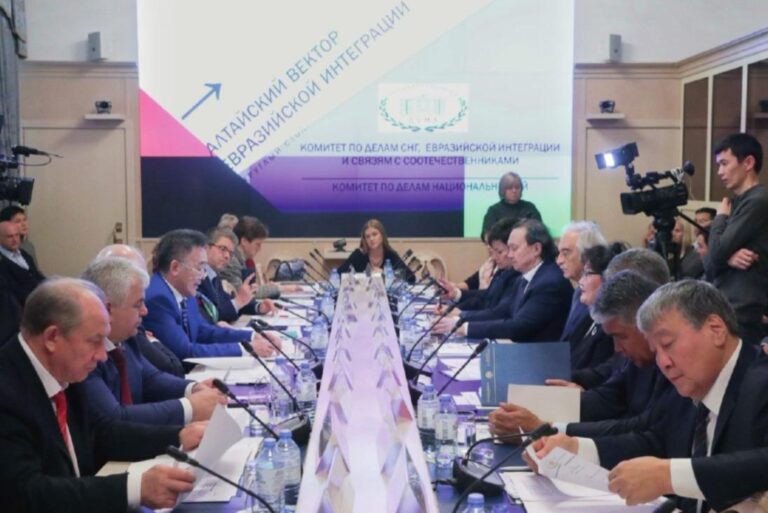
The First World Public Assembly (WPA), held in Moscow to mark the International Day of Peace, brought together over 4,000 participants from more than 150 countries. This global event served as a meaningful platform for dialogue on pressing global challenges such as peace, trust, cultural understanding, and sustainable development. Diplomats, political leaders, scientists, entrepreneurs, artists, and civil society figures joined in a shared vision for a peaceful and united world. The Assembly emphasized that peace is not just a political aspiration, but a shared responsibility rooted in values and community.
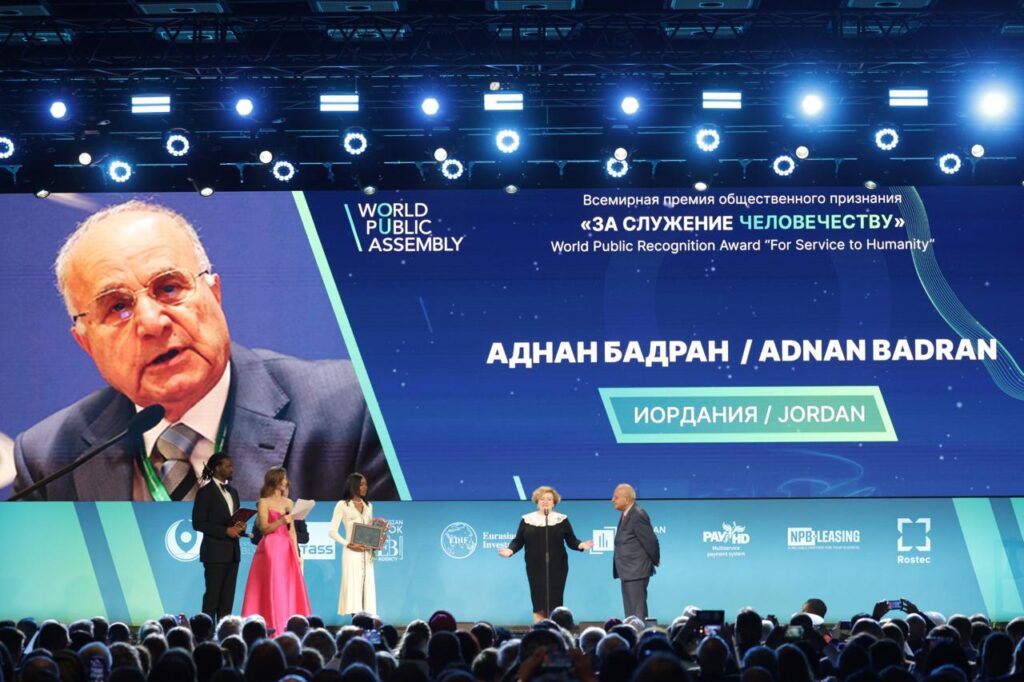
One of the landmark moments of the Assembly was the introduction of the Public Recognition Award “For Service to Humanity,” presented for the first time. This award honors individuals who have dedicated their lives to advancing the ideals of humanism and fostering unity among nations and cultures. Among the recipients were Alexandra Ochirova, a Russian scientist and UNESCO Goodwill Ambassador; Adnan Badran, former Prime Minister of Jordan; Sabena Johannes of Angola, founder of Afritrack Angola; and Bhai Sahib Mohinder Singh from the United Kingdom, a prominent spiritual leader.
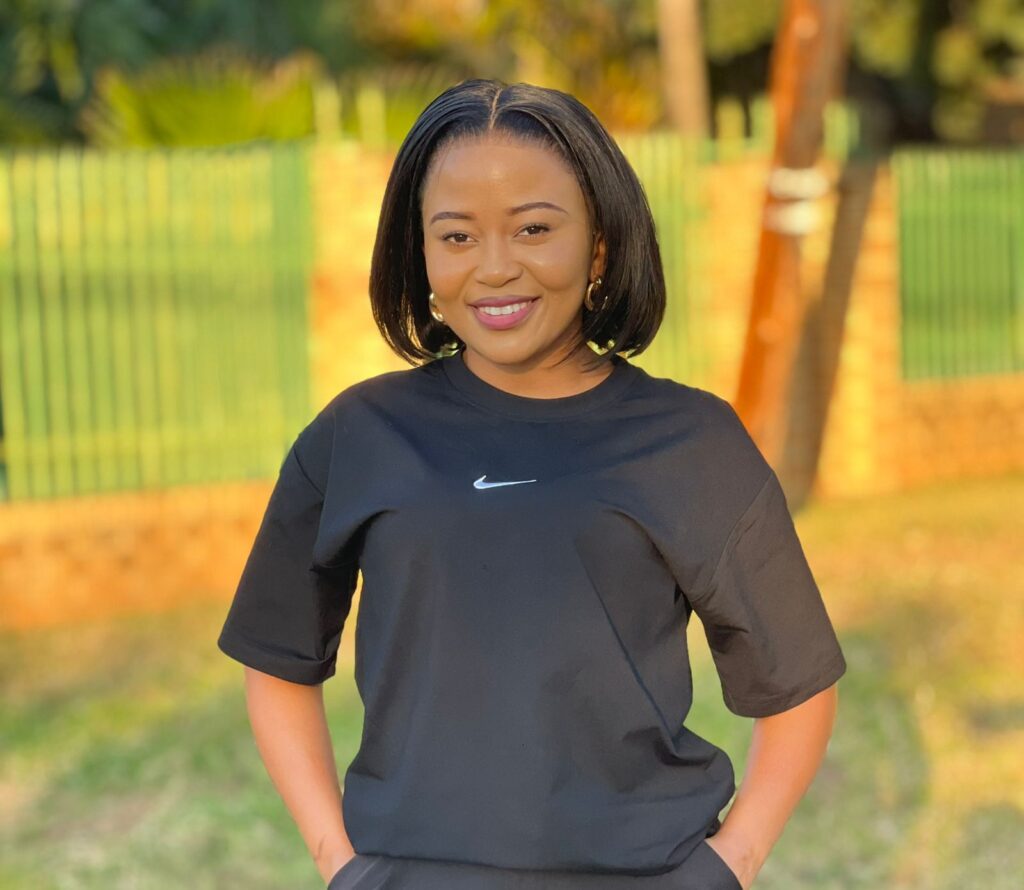
The powerful message delivered by Sabena Johannes—”We must awaken as one”—resonated deeply with the Assembly and became a unifying call to action for the global community.
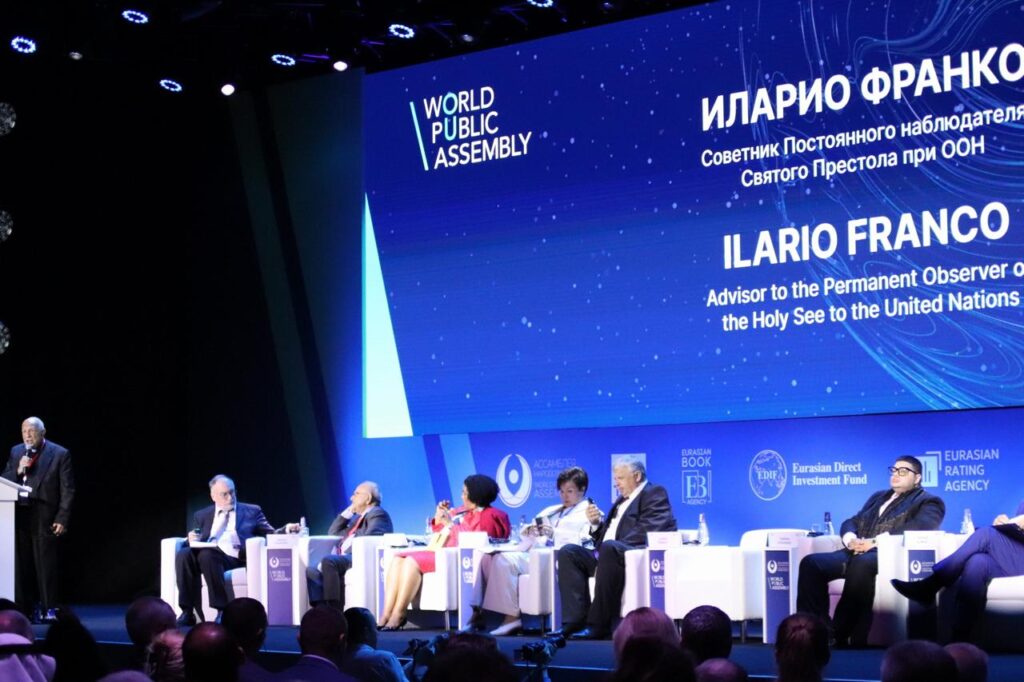
The second day of the Assembly focused on the theme of the “economy of life.” Discussions highlighted the need to move beyond traditional economic models and place human beings at the center of development. Speakers emphasized that trust, shared values, and humanitarian principles are the foundations for sustainable international cooperation. Sabena Johannes spoke about the importance of economic diplomacy, while Svetozar Darnev emphasized that all economic models should be rooted in human values. Sheikh Naif Al-Muhana Aladwani of Kuwait underscored that forums like the WPA help foster genuine partnerships that transcend political and national boundaries.
In a session on “New Media in the Service of Humanity,” panelists addressed the global challenge of cognitive warfare—an invisible battle for consciousness, identity, and cultural meaning. Russian journalist Oleg Yasinsky called for media to return to its role as a preserver of cultural identity and values. Film director Silvana Yarmolyuk and producer Olga Azhnakina emphasized the power of storytelling, film, and media to inspire positive change and celebrate real-life heroes. The discussion concluded with the call for a new media narrative—one that uplifts humanity and fosters hope.
Another important dialogue took place between German and Russian delegates, highlighting continued interest in strengthening cultural ties and promoting interreligious dialogue. Oksana Kogan-Pekh, from the Federal Union of German Societies West-East, spoke about mutual understanding, while former Bundestag deputy Waldemar Gerdt proposed a Global Charter for Traditional Values. Holger Thorsten Schubert of the Neutrino Energy Group stressed that the threats to humanity today include hunger, poverty, and injustice, which must be addressed through shared values, not just politics.
At the “Peacemaking: A Strategy for Uniting and Flourishing Humanity” session, participants examined the root causes of conflict and the role of resources and economics in driving war. Professor Alexander Usanin argued that placing the economy above people leads to war, while others, such as Mikhail Krasnov, advocated for technological solutions to energy and food shortages instead of geopolitical competition.
The overarching message of the Assembly was that peace is not merely the absence of war, but a proactive and collective effort involving all levels of society. It is a moral and spiritual imperative that requires trust, cooperation, and vision.
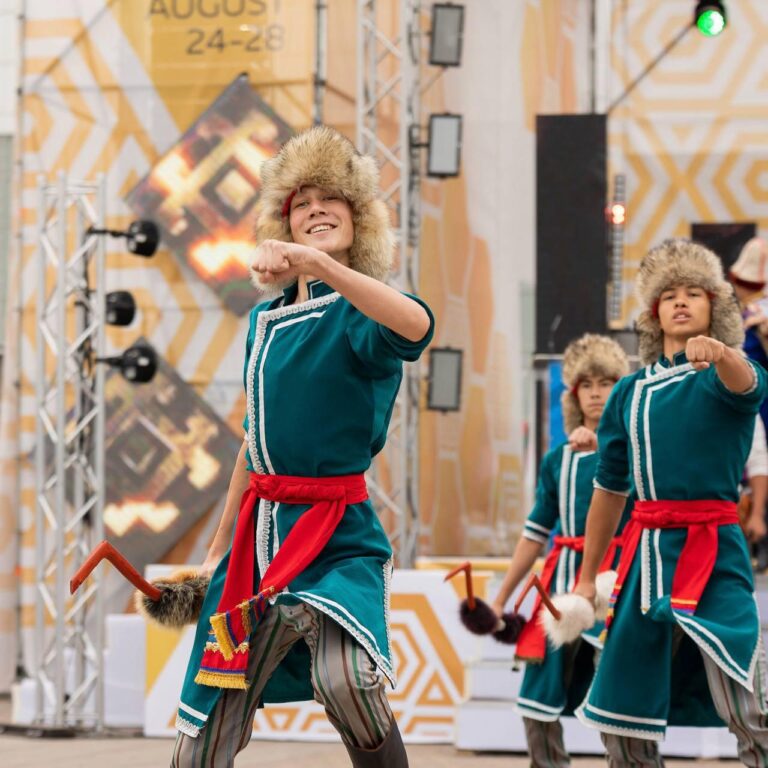
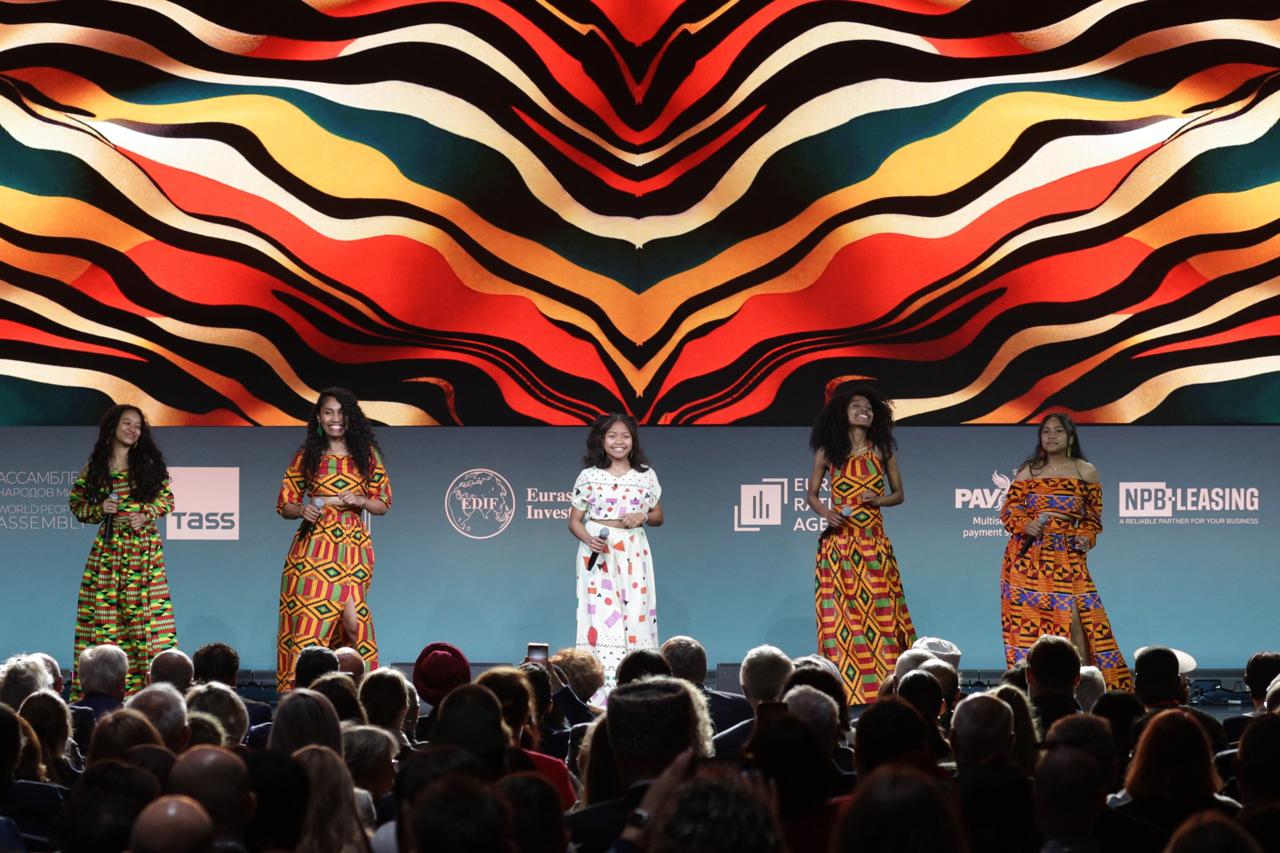
The Assembly concluded with a celebration of global cultures through music and dance performances representing diverse nations, from Russia to Indonesia and Madagascar. The spirit of solidarity was palpable, reinforcing the shared desire for a future built on unity, respect, and mutual understanding.
As the planet celebrated the International Day of Peace, the message from Moscow echoed with clarity and conviction: “We must awaken as one.” The WPA has not only initiated a global conversation but also planted the seeds for long-term collaboration. The Second World Public Assembly will be held next year in Vienna, Austria, continuing this essential work for the future of humanity.
About the Author