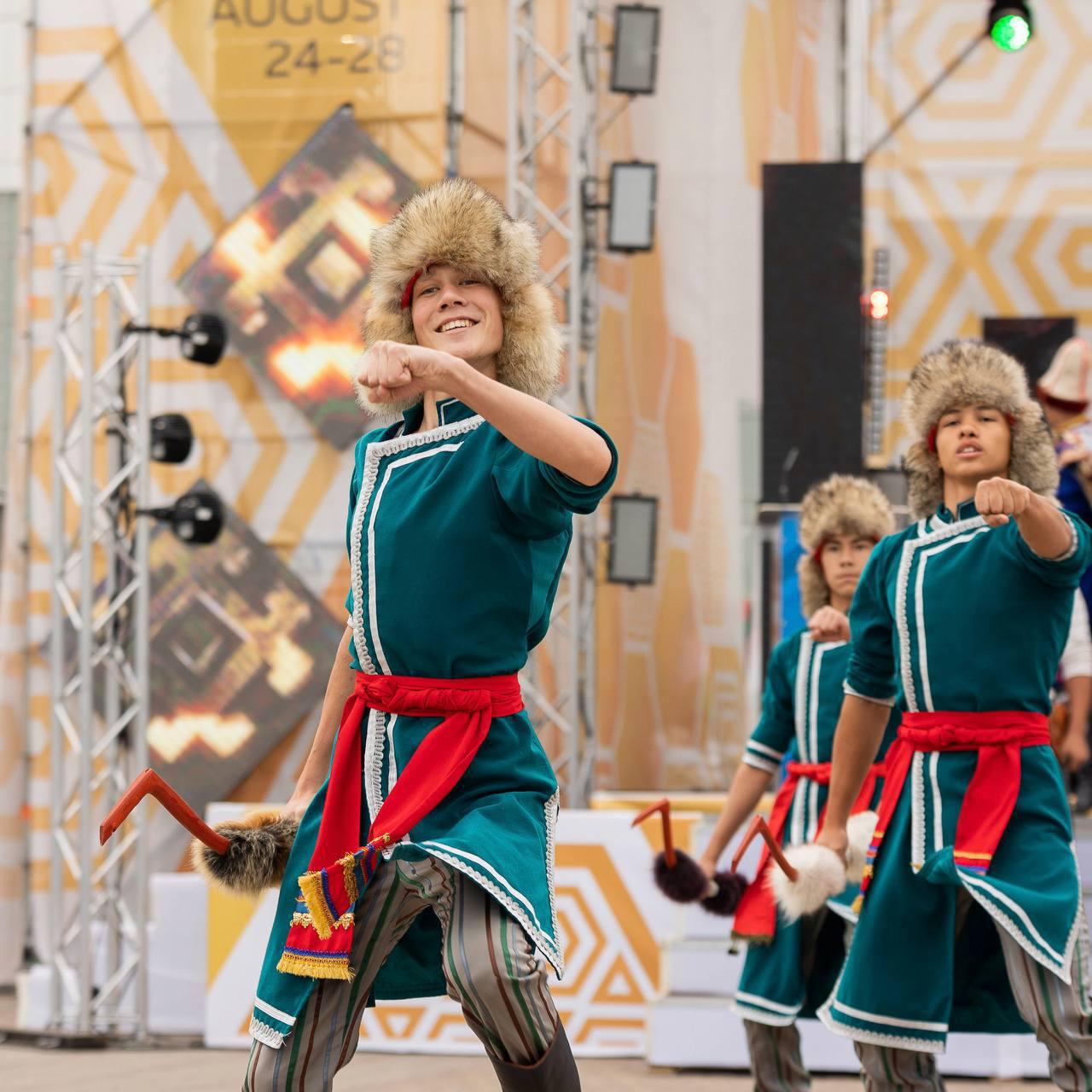
As the world becomes increasingly interconnected, the importance of cultural dialogue and mutual understanding grows. At the First World Public Assembly (WPA), one of the most anticipated features is the National Sports venue, where a special panel session will explore how traditional and ethnic sports can serve as a powerful tool for diplomacy and international cooperation.
Sport as Diplomacy
The panel session, titled “National Sports as a Universal Tool for Creating an Integration Model of International Cooperation,” is organized with the support of the Committee on National and Non-Olympic Sports of Russia. This session aims to redefine the role of sport — not only as a physical activity but as a platform for cultural exchange, mutual respect, and public diplomacy.
“National sports unite cultures, strengthen ties between nations and promote a healthy lifestyle,” say organizers, highlighting how traditional games often serve as bridges between past and present, local identity and global outreach.
Spotlight on Global Experiences
The session will examine successful practices in promoting traditional sports, drawing from major international events such as:
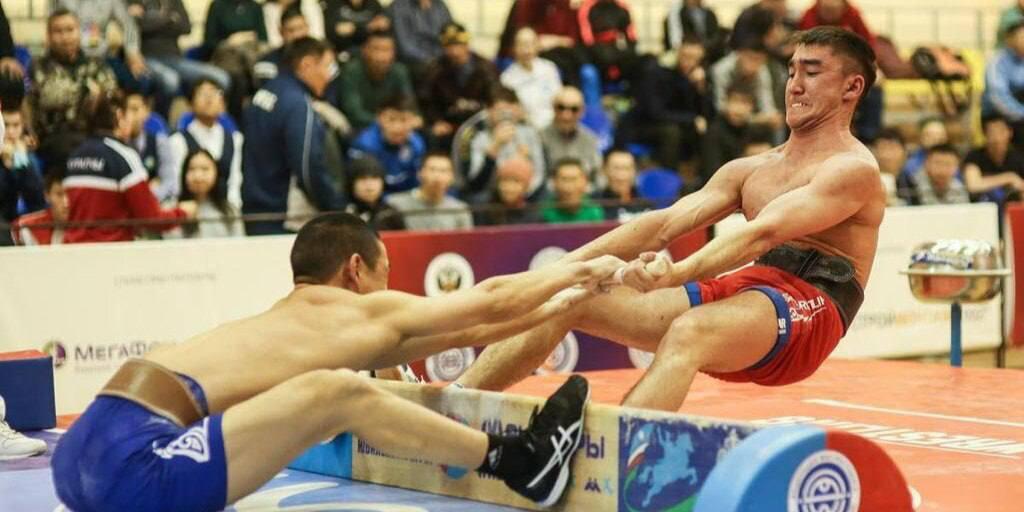
The World Nomad Games, initiated by Kyrgyzstan, which have grown into a globally recognized celebration of nomadic heritage and athleticism.
The World Nomad Games have become a unique cultural and sporting event in the life of a vast region of Eurasia and the planet as a whole,” said Boris Grishin, President of the National Olympic Committee of Russia. “This phenomenal project is a positive example of a truly Great Eurasian Partnership.”
Global Voices in Support
Adding further weight to the discussion, Khan Khalil Ahmed, President of the UNESCO International Council for Traditional Sports and Games (Pakistan), will deliver a message of support to participants. His words will underscore UNESCO’s recognition of traditional games as vital elements of cultural heritage and education.
Also speaking at the session will be:
- Boris Grishin, who brings insights into Russia’s approach to non-Olympic sports and their international impact.
- Mariano Justino Marcos Terena, a lifelong advocate for indigenous rights and intercultural cooperation, who continues to champion traditional sports as a tool for preserving identity and fostering peace.
Building Toward the Future
The panel will be moderated by Igor Pavlyuk, Vice-President of the Committee on National and Non-Olympic Sports of Russia. Pavlyuk is known for his commitment to using sports as a means of strengthening cultural connections and promoting global collaboration.
At the end of the session, participants will contribute to recommendations for the final memorandum of the World Public Assembly, ensuring that the lessons drawn from traditional sports are included in the broader vision of public diplomacy and sustainable cooperation.
Conclusion
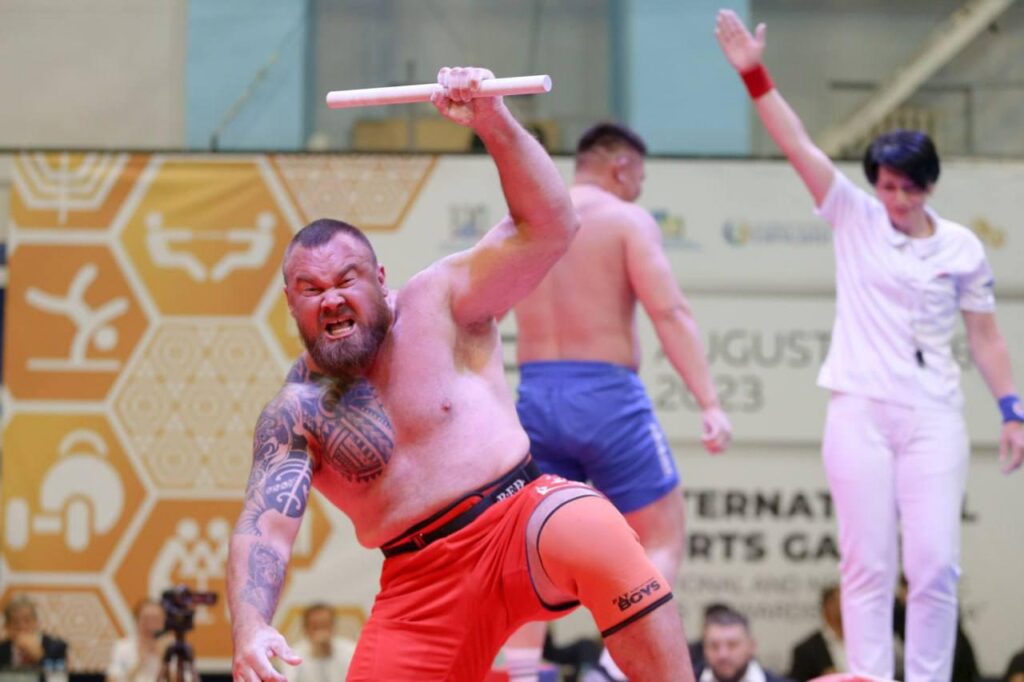
The session “From Nomads to Modern Arenas” highlights a timely message: in a divided world, national and traditional sports can create shared spaces for understanding and dialogue. From wrestling on the steppes of Central Asia to canoeing in the Amazon, these age-old games remind us that the spirit of sport — fair play, respect, and unity — knows no borders.
About the Author