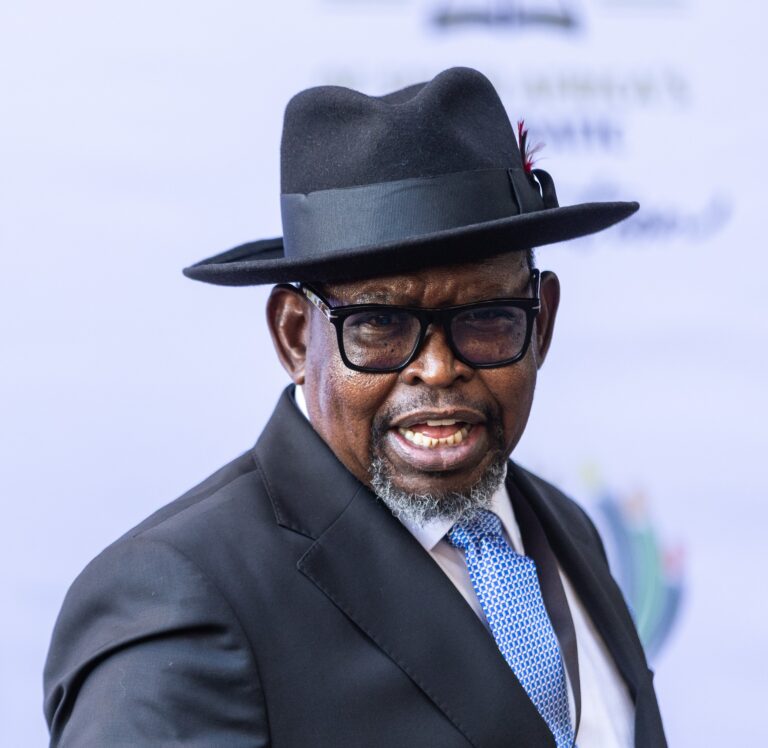
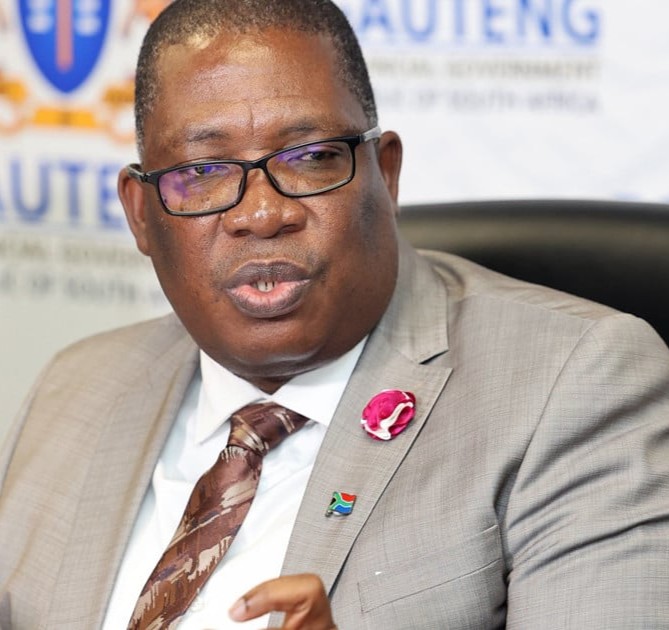
On Monday evening at the Nasrec Expo Centre, Premier Panyaza Lesufi delivered the 2026 State of the Province Address (SOPA), setting out an ambitious vision for Gauteng’s development while acknowledging persistent service delivery pressures facing the province.
In his address to the Gauteng Provincial Legislature, Lesufi presented a mix of progress reports, new commitments and strategic priorities aimed at strengthening infrastructure, stimulating economic investment, and improving the quality of life in South Africa’s most populous and economically active province.
Promises and Priorities for 2026
At the heart of the Premier’s vision are several key focus areas that reflect Gauteng’s pressing needs and long-term opportunities:
• Tackling informal settlements and urban growth
Lesufi voiced concern over the rapid proliferation of informal settlements, warning that unchecked growth could turn parts of the province into sprawling “shanty towns.” He reaffirmed government efforts to accelerate housing delivery and move residents into more formal accommodation.
• Water, infrastructure and service delivery
Persistent water shortages and ageing infrastructure remain a priority. Lesufi pledged significant investments including R760 million for water infrastructure in Johannesburg aimed at stabilising water supply and preventing future crises.
• New infrastructure planning and coordination
The provincial government announced plans to establish a central Gauteng Infrastructure Agency to oversee major capital projects across local municipalities. This initiative is intended to promote coordinated delivery of water, electricity and sanitation infrastructure.
• Economic growth and job creation
Lesufi reiterated Gauteng’s role as the country’s economic engine, identifying billions in new investments including industrial, digital and advanced manufacturing projects to boost jobs and growth. Chinese-linked industrial investments were highlighted as examples of recent successes in securing private capital for the province. The Premier’s office has projected up to 250 000 new job opportunities tied to these ventures.
• Digital future and innovation
Signalling a push into emerging sectors, the address also touched on plans to position Gauteng as a leader in artificial intelligence (AI) and digital technologies. This includes establishing an AI-focused campus and related partnerships aimed at upskilling learners for the tech economy.
• Transport and mobility expansion
Among the transport priorities, Lesufi announced renewed plans to expand and modernise the Gautrain network, with new proposed routes into previously unserved areas such as Soweto and the West Rand.
• Crime and safety initiatives
Reflecting ongoing concerns about security, the Premier reaffirmed efforts to enhance law enforcement and safety, including increased cooperation between municipal peace officers and national police, following recent crime statistics showing some improvements in violent and property crime rates.
Reactions and Critiques
The SOPA has drawn mixed reactions from political parties and civic leaders. Some opposition figures criticised the address, questioning whether the speech offered concrete solutions to entrenched problems, particularly around service delivery and municipal performance. Critics also pointed to recurring themes and repeated commitments from previous years.
However, supporters argue that the plans outlined aim to balance urgent fixes with longer-term strategic growth, seeking to stabilise Gauteng’s role as an economic hub while responding to grassroots demands for improved basic services.
Looking Ahead
As the 2026 financial year unfolds, the Premier’s commitments now face rigorous debate in the Gauteng Provincial Legislature, where elected representatives are scrutinising the proposals and their feasibility. The SOPA debate and the Premier’s reply a constitutional step in democratic oversight are scheduled for later this week.
The delivery of Gauteng’s ambitious plans will hinge not only on political will but also on effective implementation, funding alignment and cooperation across national, provincial and local government spheres a test that many residents and stakeholders are watching closely.
About the Author