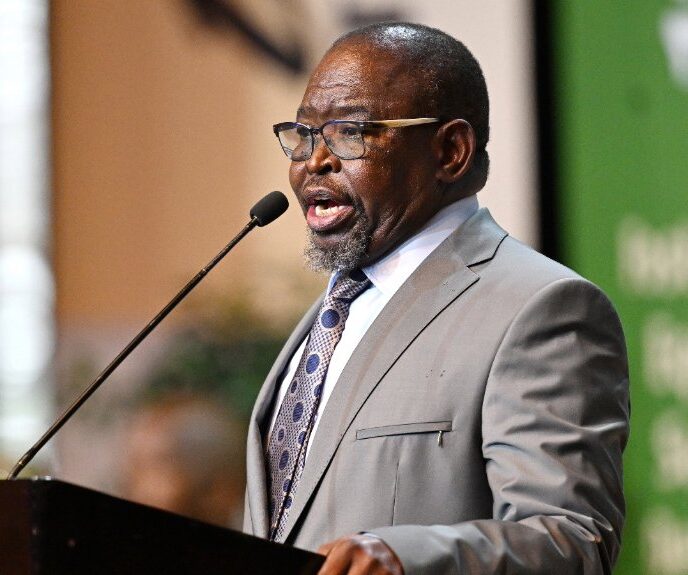
Finance Minister Enoch Godongwana will deliver the Medium-Term Budget Policy Statement (MTBPS) to Parliament on 12 November 2025, at a time when South Africa’s economy is under severe pressure from rising debt, sluggish growth, and mounting social needs.
The MTBPS, often called the “mini-budget,” is a mid-year review of the nation’s finances. It sets the tone for government spending priorities over the next three years, updates revenue forecasts, and signals how Treasury plans to respond to economic challenges. While it does not carry the political theatre of the February Budget, it is equally important for markets, investors, and citizens watching how government intends to balance competing demands.
Rising Debt at the Centre
South Africa’s public debt has climbed steadily, now consuming an ever-larger share of national income. Interest payments alone are crowding out money for essential services such as health, education, and infrastructure. Economists warn that unless borrowing is stabilised, the country risks slipping into a debt trap where more revenue is spent on servicing old loans than on building the economy.
Godongwana is expected to present new projections for the debt-to-GDP ratio and outline measures aimed at restraining expenditure growth. The challenge lies in tightening spending without crippling service delivery or fuelling social unrest.
Growth Outlook Remains Weak
The economy continues to underperform, with forecasts hovering at around 1.5% to 1.8% growth over the medium term. Structural obstacles—persistent power supply risks, logistical bottlenecks, and fragile investor confidence—are weighing down prospects.
The MTBPS will update government’s growth projections and may hint at reforms or investments to lift productivity, with particular focus on energy, transport, and water infrastructure.
Revenue and Spending Pressures
On the revenue side, sluggish growth has limited tax collection. While Treasury is unlikely to announce major tax hikes in November, subtle shifts may appear, including bracket creep adjustments or higher excise duties. The political fallout from the abandoned VAT increase earlier this year means that new broad-based tax measures are improbable before the 2026 national budget.
Spending pressures remain acute. Health and education require more funding, the social grant system faces inflationary cost pressures, and disaster relief continues to demand resources. The Minister will be under pressure to protect the social wage, even as fiscal space narrows.
Coalition Politics and Fiscal Choices
This will also be the first MTBPS presented under South Africa’s new coalition government, which has already clashed over fiscal policy. Reaching consensus on spending cuts or revenue measures is more complex when multiple parties hold influence.
Observers will be watching whether Godongwana can present a united front, or whether coalition disagreements leak into the fiscal message, undermining confidence.
What to Watch For
- Debt stabilisation path: Will Treasury propose a credible plan to halt debt growth?
- Growth forecast revisions: Are projections cut or cautiously raised?
- Expenditure controls: Which programmes face cuts or reprioritisation?
- Infrastructure investment: How will government balance fiscal restraint with urgent needs to fix energy and logistics?
- Political signals: Does the MTBPS show coalition consensus, or cracks in fiscal discipline?
Why It Matters
For ordinary South Africans, the MTBPS influences the delivery of services, the size of social grants, and the pace of infrastructure improvements. For business and investors, it is a litmus test of government’s credibility in managing debt and sustaining growth. For politicians, it is a test of whether fiscal policy can survive coalition bargaining without losing discipline.
As the countdown to 12 November begins, the question is not whether the Finance Minister will make difficult choices—but whether those choices will be bold enough, credible enough, and supported enough to steer the country away from fiscal crisis.
About the Author