President Cyril Ramaphosa used the 2026 State of the Nation Address (SONA) to outline the government’s programme of action for the year ahead, emphasising economic renewal, inclusive growth, and institutional reform as central to South Africa’s future.
Speaking in Parliament on 12 February, Ramaphosa painted a picture of a nation ready to move forward after a period of fiscal challenges, persistent unemployment and ongoing public service delivery issues. The President framed the year ahead as one of action and accountability, with a clear focus on building a capable, ethical and developmental state.
SONA 2026: Priority Areas
According to the official SONA outline, the year’s vision centres on three broad priorities:
- Strengthening public safety and combating organised crime, which Ramaphosa described as a top threat to democracy and economic development. Measures include specialised police and intelligence units and expanded law enforcement operations.
- Fixing broken infrastructure and water systems, particularly where local governance failures have left communities without reliable basic services. A National Water Crisis Committee was announced to coordinate urgent interventions.
- Boosting economic growth through investment, with more than R1 trillion in infrastructure spending over the medium term to support transport, energy, logistics and water projects seen as key to job creation and lowering the cost of living.
SONA also reiterated promises to support industries of the future, assist small enterprises and mobilise private investment all part of a growth vision that seeks to tackle unemployment and expand opportunities.
Budget 2026: Funding the Vision
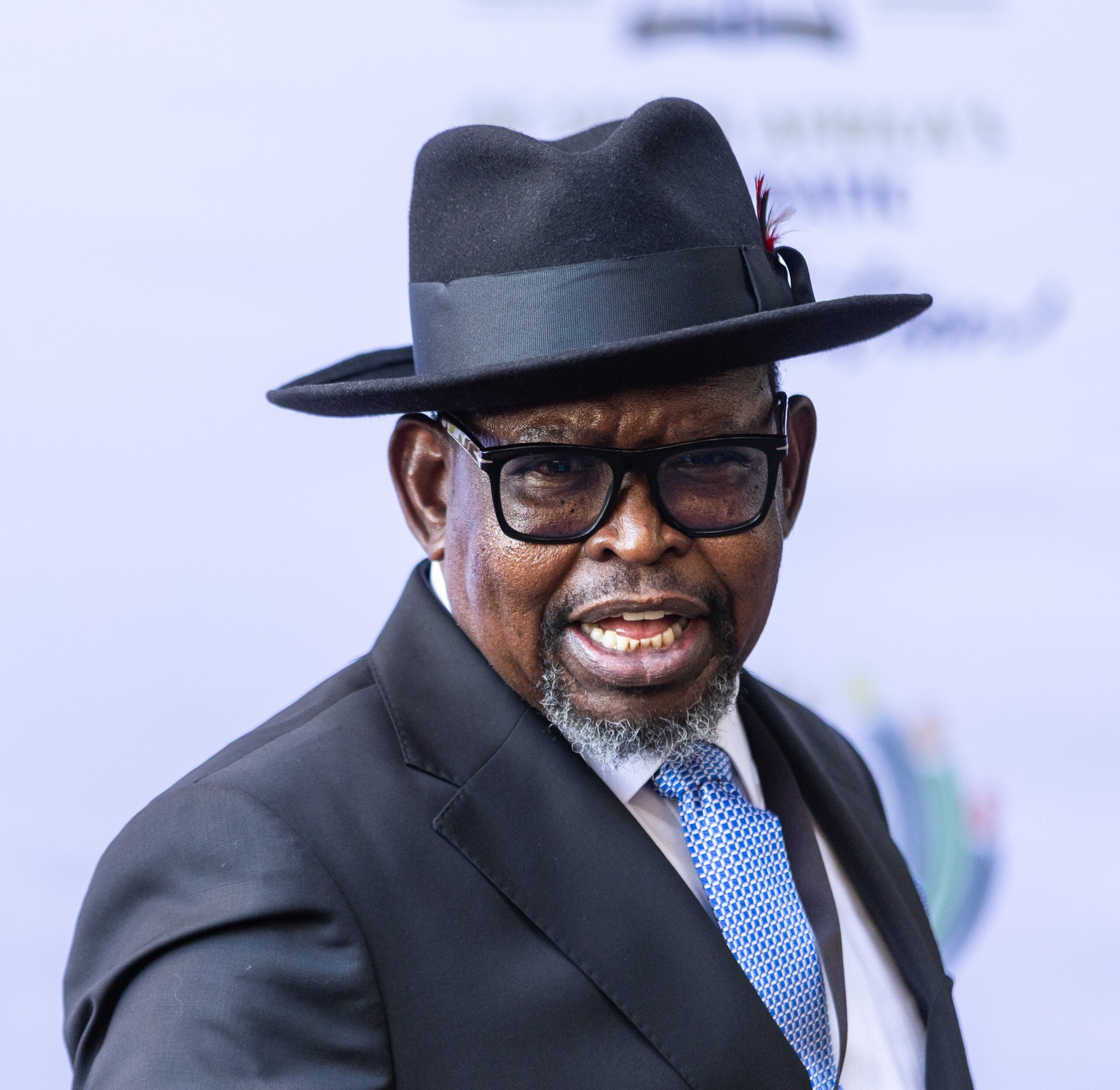
The priorities laid out in SONA were directly reflected in the 2026 National Budget Speech delivered by Finance Minister Enoch Godongwana on 25 February. The Budget provides the financial architecture for executing the government’s programme while preserving fiscal sustainability.
Godongwana’s key message was one of cautious optimism: for the first time in 17 years, South Africa is expected to stabilise its national debt and reduce the budget deficit, signalling improved confidence in the country’s public finances.
Key Budget Themes
- No major tax hikes. Stronger revenue performance allowed the government to withdraw R20 billion in planned tax increases, while adjusting personal income tax brackets and rebates for inflation to protect households.
- Social support remains a priority. Social grants are allocated R292.8 billion in 2026/27, with increases for old age, disability, child support and other grants. The Social Relief of Distress (SRD) grant will continue through the year and is being redesigned to better support livelihoods and employment pathways.
- Infrastructure investment. Budget figures show more than R1 trillion in infrastructure spending over the medium term, aimed at creating jobs and modernising networks.
- Municipal reform. Poor governance at local level has undermined service delivery. The budget introduces new models to improve utility services and performance tracking in cities.
- Peace, security and justice. Following Ramaphosa’s pledge to strengthen law enforcement, the budget increases funding for police, the defence force, border management and the judiciary.
Aligning the SONA Vision and Budget Plan
Together, the President’s address and the Finance Minister’s budget present a cohesive policy direction for 2026:
- Growth through reform and investment: Both SONA and the Budget prioritise structural reforms and public-investment spending as anchors for growth and job creation.
- Social protection and inclusion: Ramaphosa’s emphasis on reducing poverty and Godongwana’s commitment to maintaining and enhancing social support programmes show a shared focus on improving livelihoods.
- Stability meets transformation: Fiscal discipline is balanced with targeted spending on services, security, infrastructure and economic expansion a combination aimed at strengthening economic confidence while improving everyday life for South Africans.
As the government moves into the new financial year, the real test will be translating these policy intentions into measurable results particularly in job creation, service delivery reform and inclusive economic participation.
About the Author