Contests were sparked due to the the recognition of a Nigerian Leader in South Africa -East London
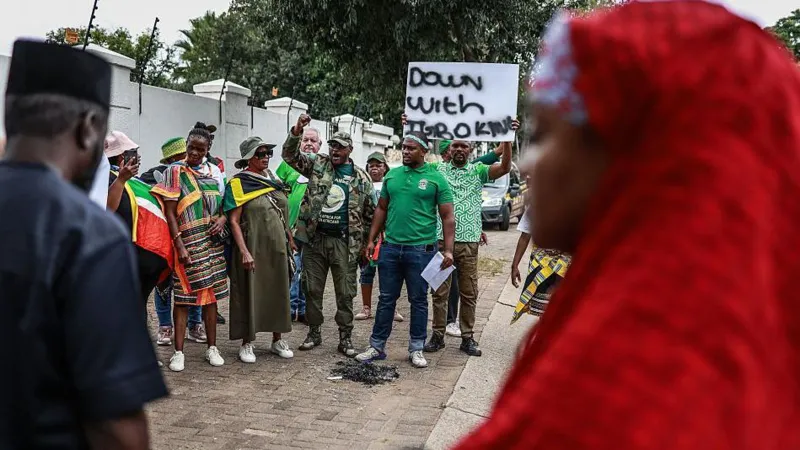
Recent unrest in East London, in South Africa’s Eastern Cape province, has drawn national attention after violent protests erupted over the alleged coronation of a Nigerian “king” in the area. What began as a community demonstration quickly escalated into chaos, exposing deeper social and political tensions.
The controversy centres around reports that a Nigerian national had been crowned an “Igbo king” (commonly referred to as an Igwe) within the city. This sparked outrage among some local residents, traditional leaders, and civic groups, who argued that South Africa’s traditional leadership structures cannot recognise foreign nationals as kings within the country.
Initially, protesters gathered to voice their concerns peacefully. However, the situation deteriorated rapidly. Vehicles were set alight, shops were looted, and property was damaged as tensions intensified. Law enforcement authorities were forced to intervene, deploying crowd control measures to restore order.
A key factor in the escalation was an alleged stabbing during the protest, which heightened emotions and triggered retaliatory violence. This incident transformed what was meant to be a demonstration into a volatile and dangerous situation.
The Nigerian High Commission later clarified that the event in question was not an official coronation, but rather a cultural gathering. Despite this explanation, the damage had already been done, with misinformation and heightened emotions fuelling unrest on the ground.
Beyond the immediate incident, the protests highlight broader issues within South African society. Tensions surrounding foreign nationals, often linked to competition for jobs and economic opportunities, remain a persistent challenge. In this context, the idea of a foreign “king” was perceived by some as symbolic of a larger fear that local systems and opportunities are being undermined.
Government officials and community leaders have since condemned the violence, calling for calm and urging residents to resolve disputes through lawful and constructive dialogue. They have also emphasised the importance of respecting both South Africa’s laws and its diverse cultural landscape.
Ultimately, the events in East London serve as a reminder of how quickly misunderstandings and underlying tensions can erupt into conflict. While the issue may have appeared to centre on a single individual, it reflects deeper concerns about identity, authority, and coexistence in a diverse society.
As the situation stabilises, the focus now shifts to rebuilding trust within communities and addressing the root causes of such unrest to prevent similar incidents in the future.
About the Author