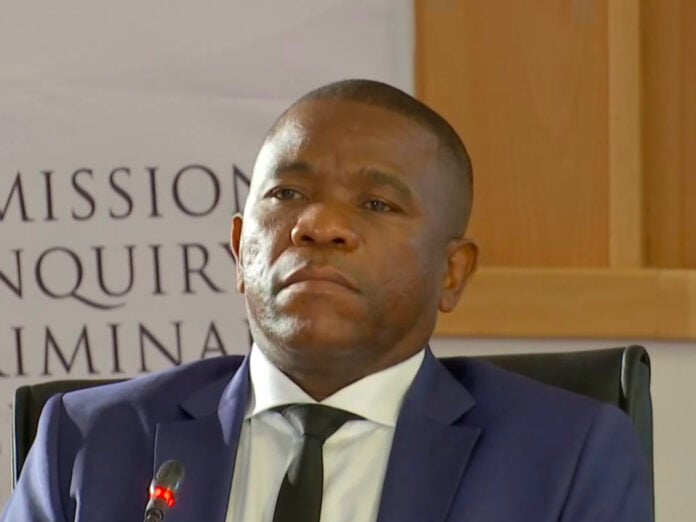
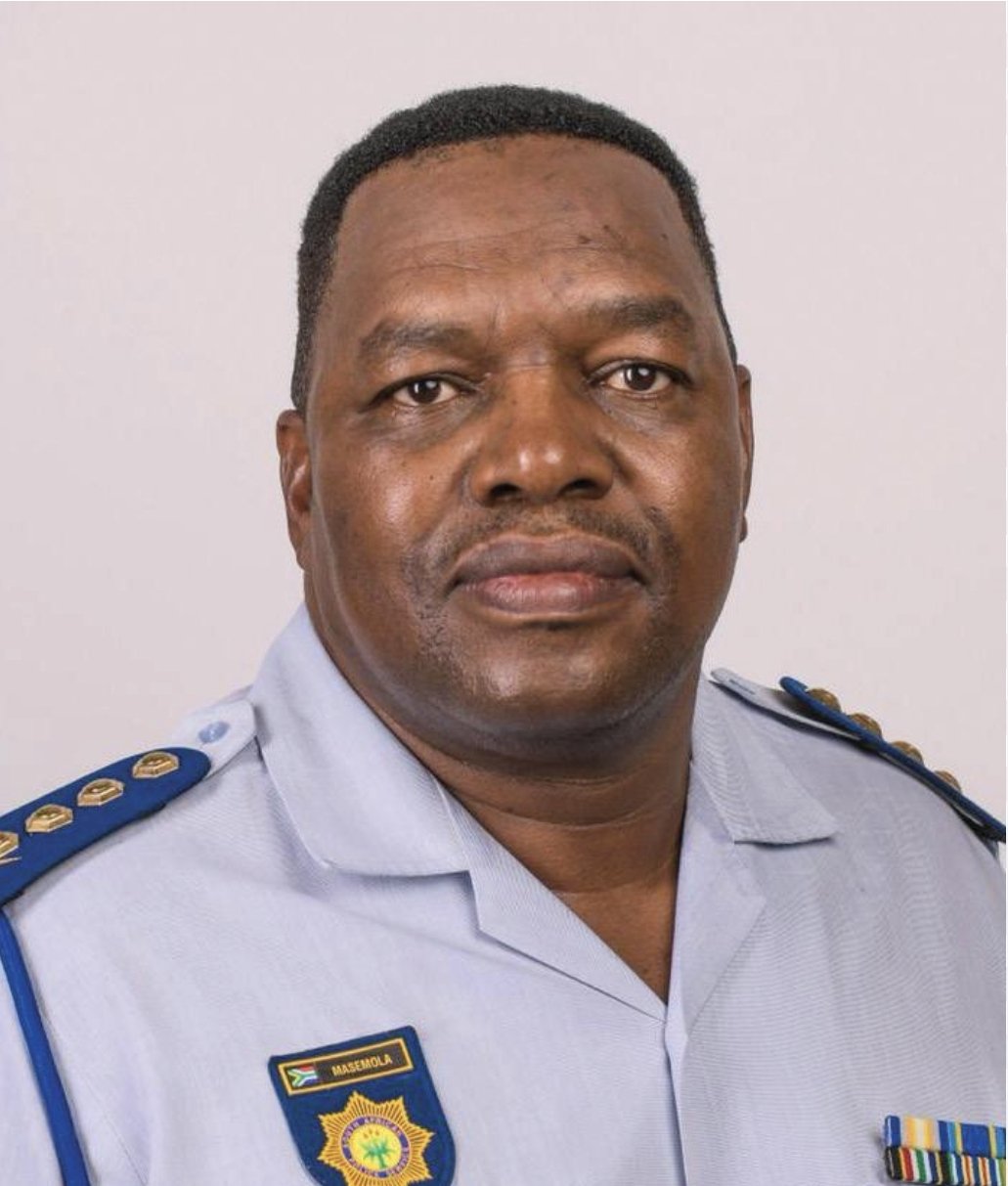
The Madlanga Commission is investigating National Police Commissioner Masemola’s compliance with a controversial order to disband the PKTT amid claims of political interference and potential presidential involvement.
The Madlanga Commission has recently entered a significant stage as National Police Commissioner General Fannie Masemola provided two days of evidence filled with intense discussions, constitutional issues, and serious claims of political interference. Masemola appeared on Monday and Tuesday to address accusations regarding the controversial disbandment of the Political Killings Task Team (PKTT) in KwaZulu-Natal, a specialized group established to investigate political assassinations and violence in the area.
On Day 4, Masemola faced tough questions about his decision to follow an order from Police Minister Senzo Mchunu to disband the PKTT. He acknowledged that he viewed the instruction as an infringement on his authority as National Commissioner, since the Constitution grants him operational control over the South African Police Service (SAPS). Masemola even wrote to the Minister, indicating that he believed the directive was unlawful. However, he still supervised the closure of the unit, raising questions from Judge Madlanga about why he complied with what he saw as an unconstitutional order. The judge also highlighted the difference between “winding down” and “disbanding,” suggesting that Masemola was trying to distance himself from responsibility while executing the Minister’s wishes.
On Day 5, the stakes escalated further. Masemola alleged that the disbandment was intended to stop an investigation into a suspected cartel, suggesting that ongoing inquiries—such as those involving phone records in a murder case—were a threat to influential figures. He also revealed that Minister Mchunu claimed President Cyril Ramaphosa was aware of and approved the disbandment. If true, this allegation could implicate the highest level of government in a contentious policing decision. Masemola defended his actions by noting his legal concerns but indicated that he was in a difficult position between respecting the Minister’s authority and his constitutional duties. The judge challenged him again about why he permitted the unit’s closure despite his reservations, suggesting that his opposition might have been more of a statement than a decisive action.
These revelations raise serious questions about political interference in policing and the independence of the SAPS. The allegations imply that powerful networks may be influencing law enforcement priorities in KwaZulu-Natal. The notion that the President was aware of the disbandment adds another layer of complexity regarding executive power. Ultimately, the Commission must determine whether the decision to disband the PKTT was based on legitimate policy, political motivations, or illegal interference, highlighting concerns about South Africa’s efforts to combat political violence at the highest levels of government.
About the Author