
The Madlanga Commission reveals serious allegations of corruption and political interference in South Africa’s criminal justice system, implicating ministers, MPs, and businessmen in undermining law enforcement and judicial integrity.
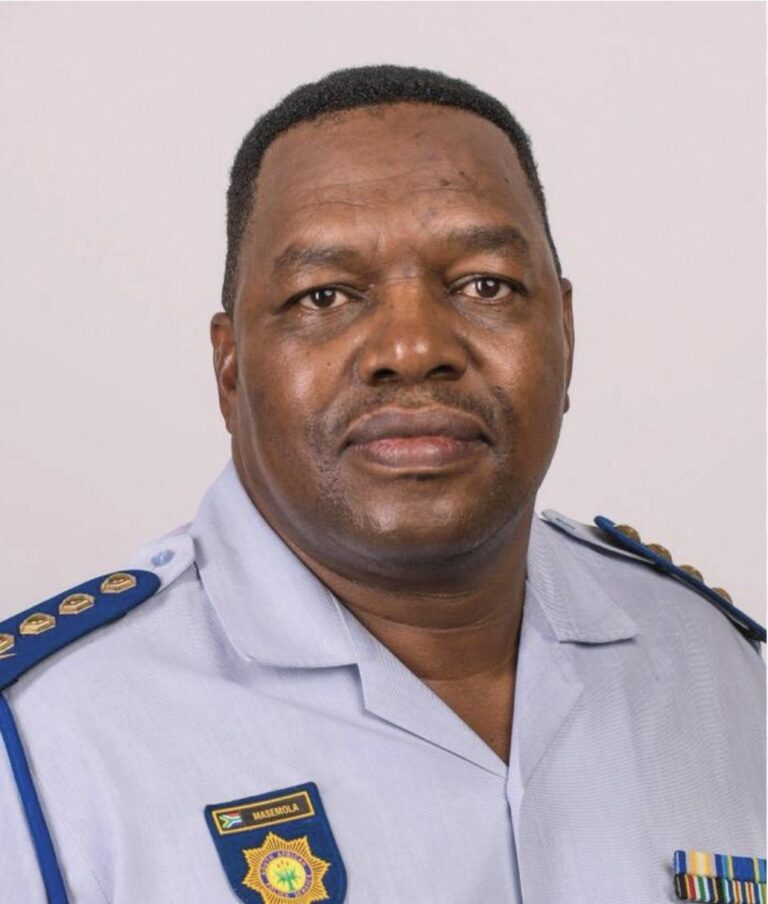
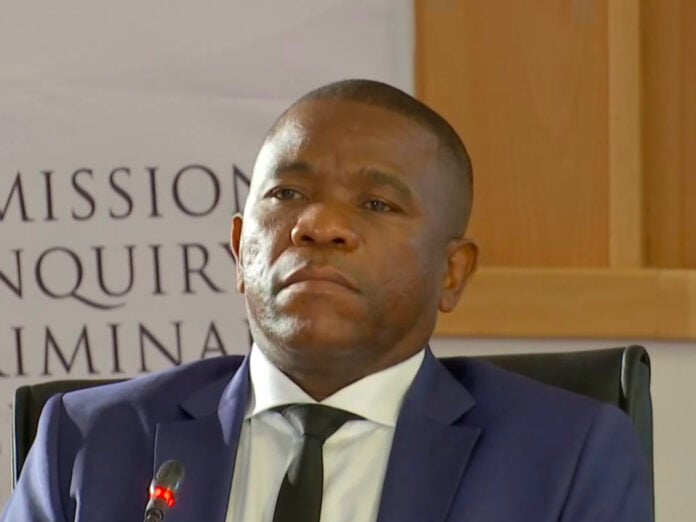
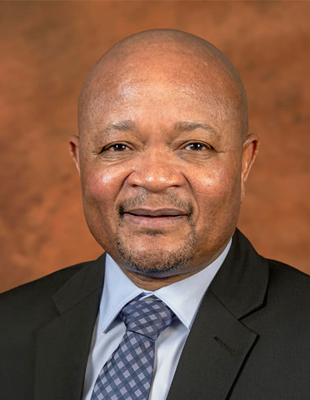
The Madlanga Commission of Inquiry, focused on issues of corruption and political interference within South Africa’s criminal justice system, has heard explosive testimony from Lieutenant-General Nhlanhla Mkhwanazi over three days. His claims highlight a deep and systemic corruption that allegedly involves politicians, members of parliament (MPs), and influential figures within state security.
On the first day, Mkhwanazi warned that the criminal justice system is facing a “total collapse” due to corruption and political meddling. He stated that the Political Killings Task Team (PKTT), which was investigating political assassinations in KwaZulu-Natal, was intentionally disbanded by the then-Police Minister Senzo Mchunu without proper justification. This act reportedly weakened the state’s ability to respond to political violence effectively. The Commission may investigate the reasons for the disbandment and explore whether political motives were involved.
On the second day, Mkhwanazi accused certain MPs of meddling with intelligence operations and failing to act on important evidence. He specifically named DA MP Dianne Kohler Barnard, who allegedly instigated public attacks on Crime Intelligence, and Fadiel Adams, leader of the National Coloured Congress, who supposedly accessed classified intelligence unlawfully. He also mentioned that previous evidence he submitted to the Zondo Commission regarding similar misconduct went unaddressed, suggesting institutional cover-ups and oversight failures that hindered investigations.
On the third day, he revealed that senior political figures might be connected to organized crime and cartels. Businessman Brown Mogosi, linked to Mchunu, was said to have significant influence within the South African Police Service (SAPS) even without any formal position. Allegations included that instructions for arrests in sensitive cases were ignored and that forensic evidence was sometimes altered or left out. The Commission could therefore recommend criminal investigations into these alleged ties and call for reforms in bail processes and oversight of prosecutorial decisions.
Mkhwanazi’s testimony reveals a criminal justice system compromised at many levels: ministers allegedly dismantling investigative units, MPs misusing their roles to disrupt intelligence work, and influential civilians manipulating police operations, along with possible corruption in judicial processes favoring those linked to syndicates.
The potential outcomes from the Commission’s work could lead to needed reforms, such as improving oversight of intelligence operations and ensuring greater accountability for political figures. If the Commission’s recommendations are taken seriously and acted upon, it may help restore public trust in the justice system. Conversely, failure to address these issues may heighten public disillusionment.
The testimony has raised significant concerns about the integrity of the justice system, as it names various high-profile individuals from political to business sectors and implicates them in serious wrongdoing. The Commission now faces the challenge of verifying these allegations and ensuring that its findings lead to meaningful reforms rather than repeating the mistakes of past inquiries that failed to bring about change.
Key figures identified include Senzo Mchunu, who allegedly undermined the PKTT and was linked to criminal elements; Dianne Kohler Barnard, accused of interfering in intelligence affairs; Fadiel Adams, who purportedly misused political influence for unauthorized access to classified information; and Brown Mogosi, who supposedly acted as a power broker within law enforcement despite lacking an official role. Also implicated were unnamed judicial officers accused of improper bail decisions and oversight bodies criticized for failing to address serious allegations over the years.
These revelations point towards a systemic issue of corruption where influence and political protection may override the rule of law. The expectation from the public is that this inquiry must not become just another report that gets overlooked but rather serve as a crucial opportunity to restore integrity to the criminal justice system in South Africa.
About the Author