
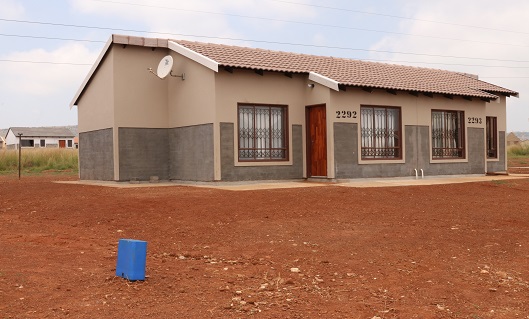
Westonaria Borwa semi-detached RDP houses
The South African property industry is a versatile sector influenced by the nation’s socio-economic dynamics, urban development, and changing consumer patterns. This industry spans from affordable housing in townships to luxury developments in affluent areas, including Sandton and mixed-use projects in Cape Town. It significantly contributes to investment, job creation, and the transformation of the built environment.
Despite challenges such as economic volatility, interest rate increases, and energy supply issues, the property sector shows resilience and adaptability, continually presenting new opportunities for investors and homeowners.
The property market in South Africa is organized into four segments: residential, commercial, industrial, and agricultural/rural land. The residential sector is the most active, driven by individual homeowners and buy-to-let investors. Commercial properties are still rebounding from pandemic-induced changes and remain attractive to institutional investors and REITs.
A prominent trend is the increasing number of first-time buyers, particularly millennials. Government initiatives like the Finance Linked Individual Subsidy Programme (FLISP) facilitate housing access for low- to middle-income earners in urban areas. Factors driving residential demand include urbanization, the rise of remote work necessitating homes with office space, the appeal of secure lifestyle estates, and a significant unmet need for affordable housing, which presents development opportunities. Key growth areas are Midrand, Pretoria East, the Northern Suburbs of the Western Cape, and coastal towns benefitting from semigration.
The commercial sector is experiencing transformative changes due to shifting demand. The post-pandemic era led to decreased demand for conventional office spaces, prompting landlords to adapt through flexible workspaces and mixed-use environments. Retail is seeing a revival, integrating with e-commerce logistics and redefining malls as community hubs. Logistics and industrial parks are thriving, fueled by e-commerce’s growth. Sustainability efforts are also crucial in attracting tenants and investors.
However, the sector encounters several challenges, such as an ongoing energy crisis, rising interest rates making loans costlier, high unemployment limiting financial access, uncertainties related to land reform, and inadequate municipal governance affecting urban development.
Despite these obstacles, optimism remains for the South African property market. REITs provide a gateway into commercial real estate for ordinary investors, while student housing continues to thrive, driven by demand around educational institutions. Social housing initiatives in urban areas present investment opportunities that address housing disparities. Government-backed smart city initiatives and infrastructure development also aim to reshape urban landscapes. Advancements in digital platforms and proptech innovations are enhancing market transparency and efficiency through tools like virtual tours and blockchain transactions.
In conclusion, the South African property sector reflects broader national priorities and challenges, yet it continues to innovate and grow. With appropriate policy frameworks, inclusive development strategies, and strategic investments, the industry holds the capacity to significantly contribute to economic transformation, employment opportunities, and sustainable urban development in South Africa.
About the Author