Mzansi Mail | Sports Opinion
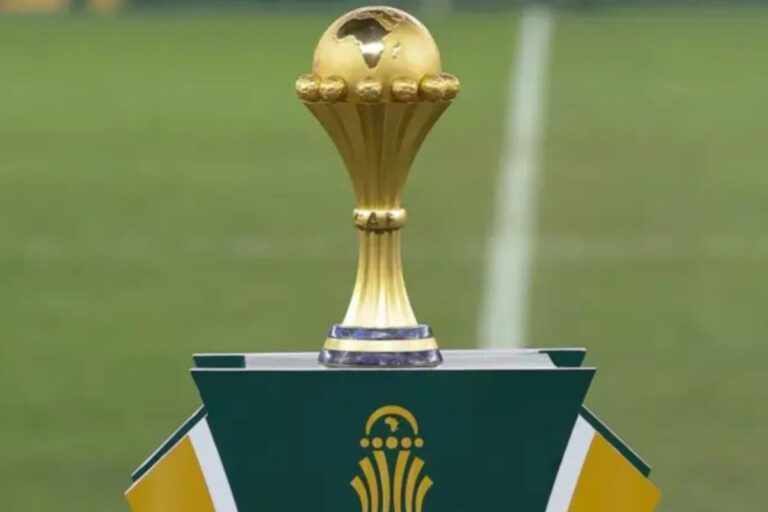
Every Africa Cup of Nations (AFCON) tournament forces South Africa into a moment of national self-reflection. We watch Africa’s best battle for supremacy, we analyse tactics and talent, and we revisit the familiar question: Why not us?
But the real question South Africans should be asking is far more uncomfortable: When will SAFA be held accountable for three decades of underachievement?
1996 Cannot Be SAFA’s Permanent Excuse
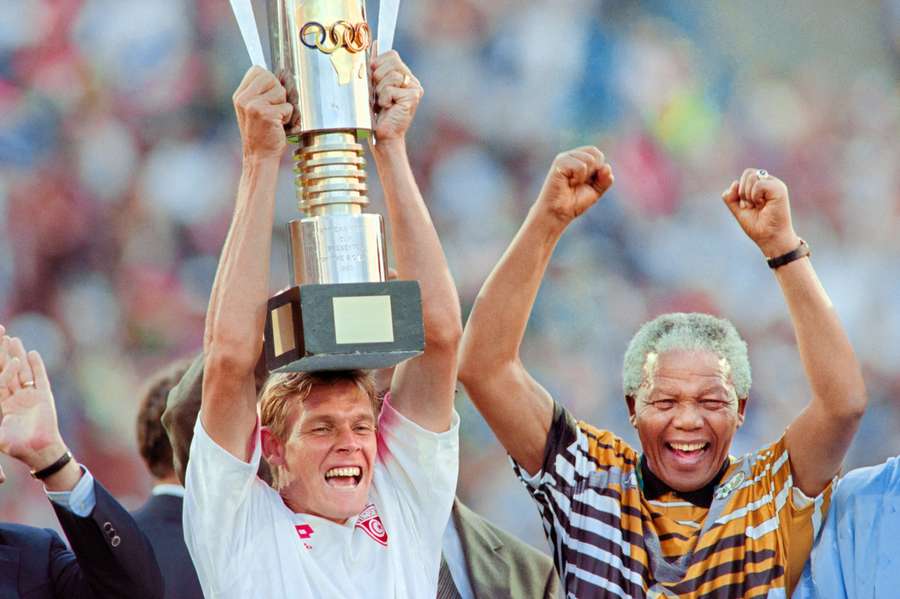
AFCON 1996 will forever belong to the people of South Africa. It was a triumph of unity, belief, and possibility in a young democracy. But for SAFA, that victory has quietly become a shield used to deflect criticism rather than inspire progress.
Nearly 30 years later, Bafana Bafana still return from AFCON tournaments with excuses instead of medals. Coaches change, technical teams rotate, promises are made and nothing fundamentally changes.
That is not a football problem. That is a governance problem.
AFCON 2025: Senegal Show What Planning Looks Like
This year’s AFCON, won by Senegal after defeating Morocco, once again demonstrated that African football success is built deliberately.
Senegal’s rise did not start at the senior national team. It began years ago with:
- A clear national football philosophy
- Investment in elite youth academies
- Strong partnerships between federation and clubs
- Consistent technical leadership, not political appointments
Senegal does not panic after one poor tournament. They refine. They build. They trust process.
South Africa, by contrast, reacts emotionally firing coaches, reshuffling committees, and restarting projects that were never allowed to mature.
Morocco: Infrastructure, Vision, and Ruthless Standards
Morocco’s model should make SAFA deeply uncomfortable.
Despite losing the final, Morocco continues to dominate African football conversations because of structure:
- A world-class national football academy
- Long-term coaching contracts
- Clear player pathways from youth to senior national teams
- Strong alignment between federation, clubs, and government
Morocco’s success at both AFCON and the FIFA World Cup is not accidental. It is the result of decisions made years in advance not months before a tournament.
South Africa has stadiums. South Africa has money. South Africa has talent.
What we lack is discipline and vision at administrative level.
SAFA Must Stop Outsourcing Failure
For too long, SAFA has shifted blame:
- Coaches are blamed for poor results
- Players are blamed for “lack of commitment”
- The PSL is blamed for fixture congestion
Yet the one constant across decades of failure has been SAFA leadership and systems.
Where is the long-term technical plan?
Where is the national playing philosophy?
Where is the transparent development pathway from schools to Bafana Bafana?
Until SAFA answers these questions honestly, AFCON will continue to expose the same weaknesses year after year.
Professional League, Amateur Administration
The irony is painful.
South Africa boasts one of Africa’s most commercially successful leagues. Clubs are well-funded, facilities are strong, and fan support is massive. Yet at national level, we operate with the urgency and coherence of an amateur setup.
AFCON does not reward financial muscle. It rewards football intelligence.
AFCON Is Not the Problem, It Is the Test
AFCON is not unfair to South Africa. It simply tests readiness.
Egypt, Cameroon, Nigeria, Ghana, Ivory Coast, Senegal, and Morocco arrive knowing exactly who they are and how they want to play.
South Africa arrives hoping. And hope is not a strategy.
The Time for Accountability Is Now
If South Africa is serious about returning to continental relevance, SAFA must:
- Commit to a 10–15 year technical vision
- Depoliticise football administration
- Invest heavily in coaching education
- Build a unified national football identity
- Be held accountable for results not promises
Until then, AFCON will remain a painful mirror, one that reflects wasted potential rather than African dominance.
The continent is moving forward.
South Africa must decide whether it wants to move with it or keep living in 1996.
About the Author