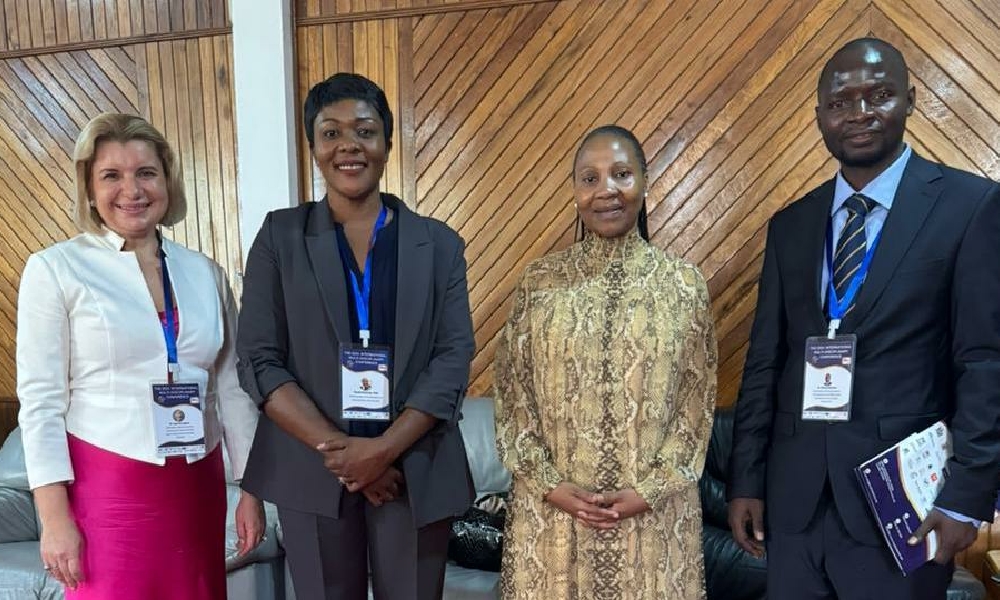
In today’s increasingly interconnected world, education is more than just academic—it is a vital channel for building international cooperation and understanding. Few embody this idea as strongly as Inga Anatolyevna Koryagina, an accomplished educator, UNDP expert, and international development specialist. Currently an Associate Professor at the Marketing Department of Plekhanov Russian University of Economics, she also serves as Director for International Development of the Russian-African Club at Lomonosov Moscow State University. In this interview, she shares insights into her professional journey, her work fostering Russian-African collaboration, and advice for international students pursuing education and careers in Russia.
Inga Anatolyevna’s career began in education, where she taught English and History. This early exposure to cultural and linguistic diversity helped her appreciate the importance of cross-cultural communication. Wanting to expand her impact, she deepened her studies in international relations, management, and marketing—disciplines that later enabled her to navigate business environments and lead international cooperation projects. Her work as a UNDP expert and her leadership role at the Russian-African Club have allowed her to organize large-scale initiatives and work with diverse communities.
Reflecting on her diverse experience, she explains that her background helps her see the “bigger picture” and respond to complex global challenges with effective solutions. Her work often focuses on building long-term relationships between institutions and nations, particularly by connecting educational, cultural, and development agendas.
As Director for International Development at the Russian-African Club, Inga Anatolyevna oversees a wide range of initiatives aimed at strengthening ties between Russia and Africa. The Club focuses on education, science, culture, and business as the core pillars of sustainable partnership. Some of its key projects include forums of university rectors, joint academic programs, and double degree courses that enable students to earn credentials recognized in both regions.
In addition to academic exchange, the Club is active in cultural diplomacy. It supports film, fashion, and art festivals, and is involved in the development of the African Culture Museum in Moscow. One of its symbolic contributions is the installation of a monument to Nelson Mandela—an effort to honor shared values of peace and leadership. The Club also works closely with African expatriate communities in Russia, helping to strengthen social integration and dialogue.
When asked about the future of Russian-African relations, Inga Anatolyevna expresses optimism. She believes there is growing interest in partnerships based on mutual respect and benefit, especially in science and education. She emphasizes the strategic role of inter-university cooperation, which not only builds academic capacity but also nurtures a generation of professionals prepared to tackle global issues. According to her, programs such as joint research, student and faculty exchanges, and collaborative innovation are essential in areas like power engineering, agriculture, healthcare, and environmental protection.
She also highlights the role of culture in international cooperation. Cultural festivals, exhibitions, and creative projects foster deeper understanding and build trust between peoples. In her view, education and culture are powerful tools that can help address both local and global challenges, making cooperation between Russia and Africa not just beneficial—but necessary.
Turning her focus to students, Inga Anatolyevna offers practical advice for international learners planning to study in Russia. She encourages students to stay open-minded and proactive, stressing that Russia’s academic environment offers numerous opportunities for growth. Double degree programs, international research projects, and student forums all provide valuable experience and professional contacts.
She also advises students to actively participate in conferences, internships, and exchange programs, and to take initiative when pursuing career goals. According to her, Russian universities are welcoming to those who show responsibility and ambition. Just as importantly, she recommends that students develop their cross-cultural communication skills, as these are vital in the field of international business.
Finally, she highlights the importance of learning Russian. Even basic language skills can greatly enhance a student’s experience, making it easier to build relationships and integrate into academic and professional communities. Understanding cultural customs and traditions also helps foster mutual respect and collaboration.
Inga Anatolyevna Koryagina’s work stands as a testament to the transformative power of education. Through her leadership in academia and international development, she continues to shape meaningful partnerships between Russia and African nations. Her message to students is clear: by embracing knowledge, engaging with others, and staying open to the world, anyone can help build a more cooperative and connected future.
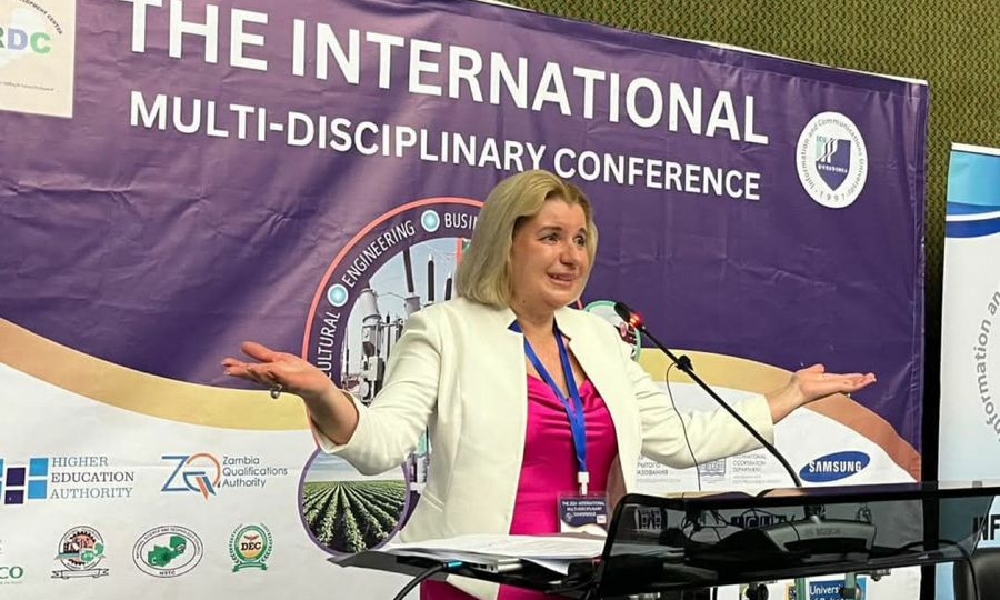
About the Author