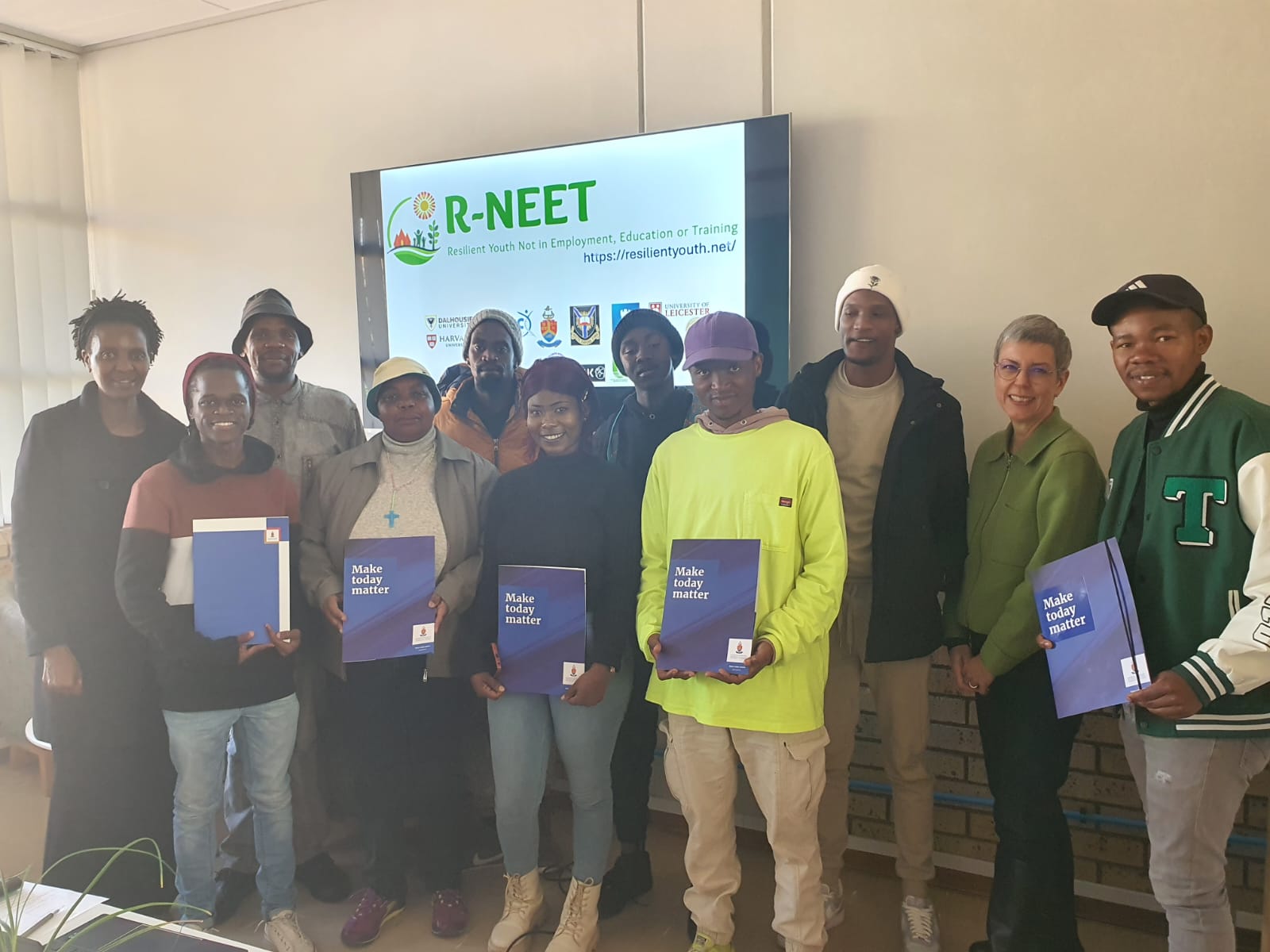
In a country where over 3.5 million young people between the ages of 18 and 24 are Not in Employment, Education, or Training (NEET), the urgency to address their psychosocial struggles has never been greater. NEET youth often live in communities weighed down by poverty, crime, and exclusion—shouldering the invisible burdens of hopelessness and systemic neglect.
The R-NEET (Resilient NEETs) Project emerges not just as a research initiative, but as a lifeline—offering insight, healing, and transformation for some of South Africa’s most overlooked young people.
A Lifeline Born of Partnership
Through its flagship Project Revitalized, the Mordecai Ndlovu Foundation—a grassroots movement committed to economic inclusion and youth empowerment—mobilized over 500 participants across Gauteng, including from Mamelodi, Nellmapius, Tembisa, Daveyton, Katlehong, Alexandra, Sebokeng, and Soweto.
In collaboration with an international research consortium—including the University of Pretoria, Dalhousie University (Canada), University of Ibadan (Nigeria), University of Leicester, University of Nottingham (UK), and the South African Medical Research Council (SAMRC)—the R-NEET study explores what shields some NEET youth from depression in the face of extreme stress and adversity.
With community mental health allies such as SADAG and REPSSI, the project aims to reveal the inner strength and protective factors that help some young people remain emotionally resilient in the harshest environments.
Learning from Lived Realities
While many NEET youth report symptoms of depression—hopelessness, fatigue, and low self-worth—others demonstrate surprising emotional strength despite facing the same conditions. The R-NEET study asks:
What makes the difference?
What personal beliefs, family ties, peer support, or community structures help some youth not only survive, but thrive?
By collecting data from over 1,000 youth in Gauteng and 600 in Nigeria’s Niger Delta, the study seeks to influence future youth policy, mental health programming, and evidence-based interventions rooted in dignity and care.
Community-Led. Youth-Driven.
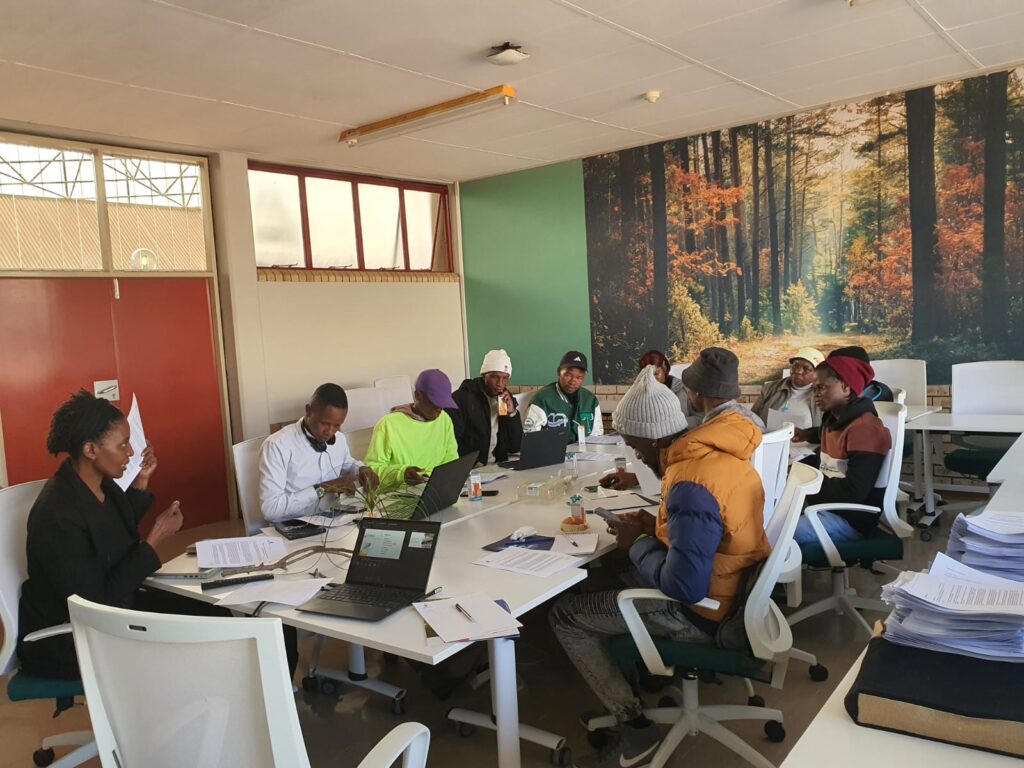
This project would not have succeeded without the leadership of local youth mobilisers, trained and supported by the Foundation. As young adults from the very communities being studied, these mobilisers built trust, explained consent and confidentiality, and ensured respectful participation.
“For the first time, I felt like my story mattered,” said Sibusiso, a 22-year-old mobiliser from Tembisa. “This wasn’t just a survey. It was healing.”
The Mordecai Ndlovu Foundation ensured that the research was not extractive—but empowering. From hosting community information sessions to guiding participants through surveys, the Foundation wove scientific inquiry with human connection.
From Research to Resilience
The R-NEET project is more than a study—it is a call to action, a reimagining of youth potential, and a blueprint for mental resilience in South Africa’s most underserved areas.
As preliminary findings unfold, the Foundation remains committed to ensuring that youth are not just studied, but served—that the research informs real change, real policy, and real programming.
Conclusion: From Data to Dignity
The ultimate goal of the R-NEET project is to help reframe the narrative of NEET youth—not as disconnected, but as resilient, resourceful, and ready for reintegration into systems of care, opportunity, and belonging.
Through initiatives like R-NEET, we don’t just document resilience—we help build it.
For media inquiries, partnerships, or follow-up on this study:
Ms. Thulisile Zulu, Project Co-ordinator
066 068 0957
projectrevitalized@mn-f.org
www.mn-f.org
@mnf_org | #MNFRNEET2025
About the Author