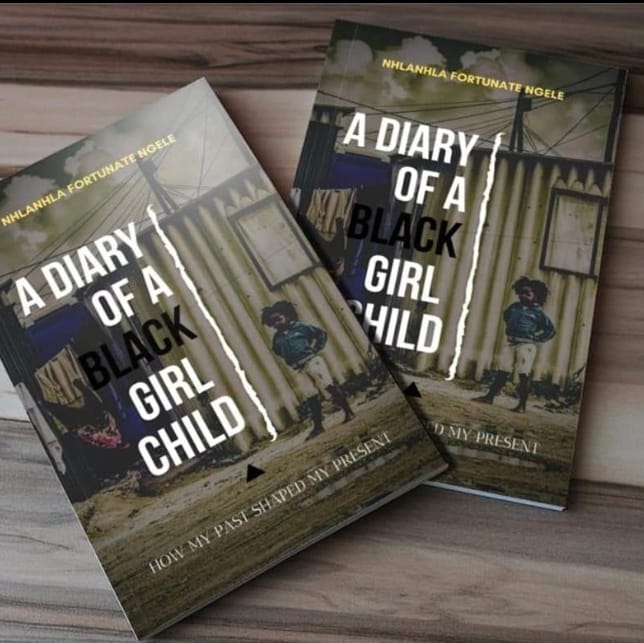
To be born in a rural area, with nothing but the hope of a brighter future, only to move to the promise land of Gauteng—a place filled with dreams of milk and honey—was supposed to be the beginning of a better life. But instead, the reality was starkly different. The vibrant stories of a better life in the city quickly faded when the new home turned out to be an informal settlement, a place that, ironically, felt more impoverished than the humble rural abode she had left behind. Growing up as a Black girl in South Africa, Nhlanhla Ngele experienced firsthand the harsh realities of inequality, the limitations placed on her dreams, and the heavy weight of societal expectations. It was in this struggle, amid the hardships of displacement and injustice, that her passion for writing began. Her pen became a way to process emotions, to reclaim her identity, and to make sense of a world that often felt unjust. This journey eventually led her to become a powerful voice, focusing on themes of identity, culture, and social justice, as she sought to tell the stories of those whose voices had been silenced.
When she started writing this book, she was in a very dark place, and something deep inside me urged her to grab a pen and paper. She started with a single paragraph, after which everything came easily. She experienced a sudden sense of comfort. She felt lighter the more she went on. She had no idea that this book would serve as both a means of healing herself and a means of healing others.
She wrote this book “to heal myself and to forgive the perpetrator, knowing that forgiveness is something I do for myself,” and after finishing, everything made sense to her. I realized, deep down, that I needed to take my power back, and this book has given me just that.” Nhlanhla exclaims
My hope is that this book reaches the places where a Black child’s hope and dreams were shattered by one man. I hope she reads these words and finds healing. I want her to know that she should never lose hope, that she can believe in herself again, and that her past traumatic experiences do not define her. Above all, I want her to understand that no matter what, she can still follow her dreams and become anything she envisions.
“Her sensational book, ‘Diary of a Black Girl Child,‘ delves into critical issues that resonate deeply with the experiences of young Black girls. Through her own life, Nhlanhla Ngele highlights major trends and challenges, including:
- Intersectional Feminism: The exploration of how interconnected social inequalities—such as racism, sexism, and classism—shaped her life, revealing the complexities of being a Black girl in a world that often marginalizes her.
- Mental Health and Wellness: Addressing the mental health struggles faced by young Black girls—anxiety, depression, trauma—and the stigma that prevents them from speaking out within their communities or seeking help.
- Cultural Identity and Representation: The importance of celebrating diversity and inclusion, while ensuring that young Black girls see themselves represented authentically in literature and media.
Nhlanhla Ngele’s bravery in writing this book lies in her willingness to speak out about these complex, often uncomfortable issues. By sharing her vulnerability, she opens up a broader conversation about the struggles and triumphs of Black girlhood.
In addition, Nhlanhla challenges the common misconceptions surrounding the experiences of young Black girls:
- Stereotyping and Tokenism: The tendency to reduce the multifaceted realities of Black girlhood to oversimplified stereotypes or to use Black girls as token representations in media and literature, often without depth or nuance.
- Erasure and Invisibility: The systemic marginalization and silencing of Black girls’ voices, rendering their experiences invisible in narratives that shape society’s understanding of gender, race, and identity.
Through ‘Diary of a Black Girl Child,’ Nhlanhla Ngele not only shares her personal story but also gives voice to the experiences of countless other young Black girls, challenging stereotypes and advocating for greater representation and understanding, truth be told it was not it as not a easy journey to open yourself up and speak of rape, poverty and all horrific circumstances that an underprivilege black young grew up in.
“One memorable experience that stands out to me,” Nhlanhla Ngele reflects, “was receiving a letter from a young reader who had been deeply moved by my book. She shared how my writing made her feel seen, heard, and validated. It inspired her to find her own voice and start telling her own story.” Nhlanhla exclaims that this moment was a powerful reminder of why she writes. She has become a beacon of hope to many young girls who were once too ashamed to speak about their horrific experiences. Society often blames young girls for the abuse they suffer, claiming that their behavior, the way they dress, or their actions somehow “lured” men into committing acts of violence, including rape. For many, these narratives of blame have silenced their voices—until now.
Through her journey, Nhlanhla has learned several key lessons:
- The Power of Storytelling: She has come to recognize the transformative impact that stories can have on individuals and communities, offering both healing and empowerment to those who feel unseen.
- The Importance of Representation: Nhlanhla understands the need for diverse representation in literature and media. When young readers see themselves reflected in stories, it not only boosts their self-esteem but also fosters a sense of belonging and affirmation.
Yet, no one is immune to challenges. Nhlanhla has faced her own battles, including:
- Systemic Inequalities: Addressing the entrenched biases and inequalities that exist within the publishing industry, where marginalized voices often struggle to be heard.
- Censorship and Erasure: Resisting the efforts to silence or erase the experiences of marginalized communities, Nhlanhla has fought against forces that attempt to undermine the stories of those who need to be heard the most.
One commonly misunderstood aspect of this topic is the notion that writing about trauma and struggle Writing can undoubtedly be cathartic or therapeutic, providing a space to process emotions and experiences. However, it is essential to recognize the complexity and nuance of trauma and struggle. For Nhlanhla Ngele, reliving her past traumas through writing was no easy feat. It was not just a simple exercise of penning her thoughts—it meant reopening old wounds. Unlike a private conversation with a therapist, where confidentiality is guaranteed, writing forces you to lay bare your soul to the world. It requires immense courage and vulnerability to share such intimate details, knowing that once your story is out there, it may be met with judgment, criticism, or scrutiny. Yet, in doing so, she was offering others a lifeline—an opportunity to see themselves reflected, to feel understood, and to find the strength to tell their own truths.
“I envision a future where literature and media reflect the diversity and complexity of human experiences,” Nhlanhla says. “I hope to see more opportunities for marginalized voices to be amplified and celebrated.”
Looking ahead, Nhlanhla is excited about the possibilities within the space of storytelling:
- Digital Storytelling: She sees immense potential in digital platforms and technologies, which can unlock new and innovative ways to tell stories, reaching global audiences in creative formats that resonate across cultures.
- Intersectional Publishing: Nhlanhla envisions a publishing industry that prioritizes intersectionality, diversity, and inclusion, ensuring that stories from all walks of life are heard, respected, and celebrated.
The future of storytelling is limitless. With platforms evolving and new voices emerging, there’s hope for a world where every individual’s story has a place to be told and honored.
Nhlanhla Ngele offers valuable advice to those aspiring to enter the world of writing and literature:
- Finding Your Unique Voice: “Embrace your individual perspective and experiences to create writing that is authentic and compelling. Your unique voice is your power, and it is what will set your work apart.”
- Reading Widely and Diversely: “Engage with a broad range of texts and authors from various backgrounds. The more you read, the more you broaden your understanding of the world, and the possibilities of language become endless. As the old saying goes, ‘A good writer is a great reader.'”
- Equip Yourself by Attending Writing Workshops and Communities: “Connect with other writers and industry professionals by attending workshops, conferences, and engaging in online communities. These spaces allow you to learn, grow, and receive constructive feedback on your work.”
- Explore Literary Magazines and Journals: “Explore publications that showcase diverse voices and perspectives. Submitting your work to literary magazines and journals can be an excellent opportunity to gain exposure and find a platform for your writing.”
In her final thoughts, Nhlanhla expresses her hope that readers will walk away with a deeper understanding of the complexities and challenges faced by young Black girls. She also emphasizes the transformative power of storytelling and representation in creating positive change.
“One final point I’d like to emphasize,” she says, “is the importance of listening to and amplifying the voices of marginalized communities. As a writer and advocate, I believe it’s essential to create space for and elevate the stories of those who have been historically silenced or erased.”
About the Author