The entertainment industry in South Africa is diverse and vibrant, encompassing a wide range of sectors including music, film, television, theatre, events, and digital media. It plays a significant role in the country’s cultural expression, economic development, and global influence.
Key Sectors in South Africa’s Entertainment Industry
1. Music
- Genres: South Africa has a rich musical heritage, with popular genres including:
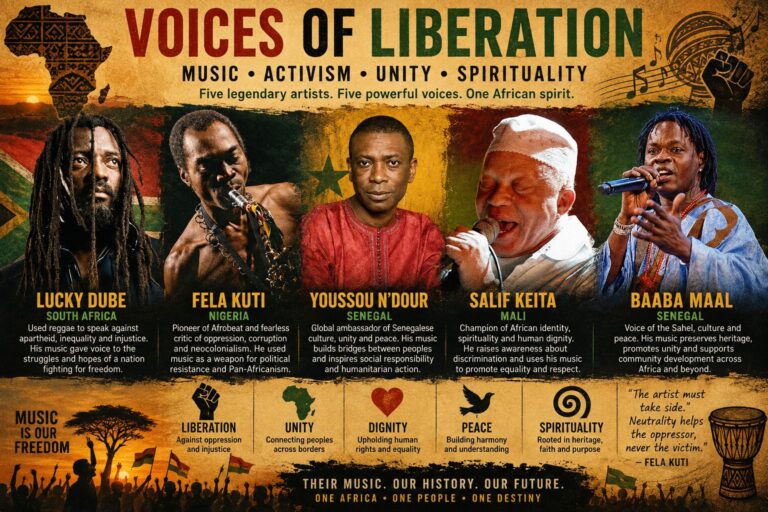
- Kwaito: A post-apartheid music genre blending house music with African rhythms, often associated with township culture.
- Gqom: A style of electronic dance music that originated in Durban, characterized by its raw, bass-heavy beats.
- Afropop: Modern pop music that blends traditional African sounds with global music trends, with artists like Master KG and Cassper Nyovest achieving international success.
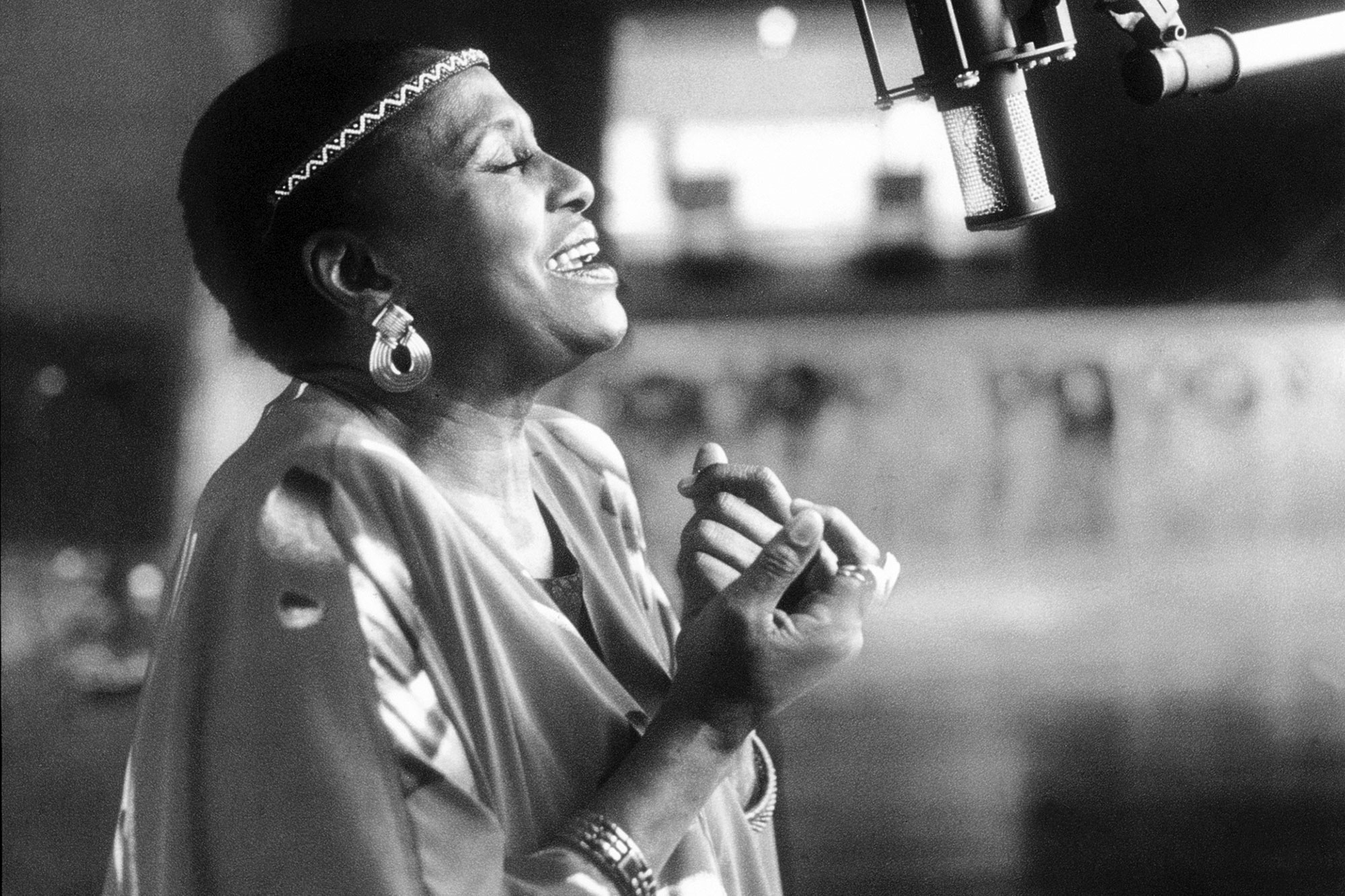
- Jazz: South Africa has a long history of jazz, with icons like Hugh Masekela, Miriam Makeba, and Abdullah Ibrahim.
- Traditional Music: Includes indigenous sounds such as Zulu, Xhosa, and Sotho music, often performed at cultural events and festivals.
- Live Music Venues: Popular venues include the Soweto Theatre, The Orbit in Johannesburg, and The Baxter Theatre in Cape Town.
- Festivals: The Cape Town International Jazz Festival and MTN Bushfire in Eswatini are key events celebrating local and international music.
2. Film and Television
- Film Industry: South Africa has developed a robust film industry, producing both local and international content.
- Notable Films: Tsotsi (2005) won an Academy Award for Best Foreign Language Film. Other prominent films include District 9 (2009), a sci-fi movie that gained international recognition, and Invictus (2009), which told the story of Nelson Mandela and the 1995 Rugby World Cup.
- Local Film Studios: South Africa is home to film production studios like Cape Town Film Studios and The Videovision Entertainment company.
- Television: South Africa’s television industry is dominated by local and international programming across various genres, including drama, soap operas, reality TV, and news.
- Popular Shows: Generations: The Legacy, The River, and Idols South Africa are some of the most watched TV shows in the country.
- DSTV and SABC are major players, offering diverse content on cable, satellite, and free-to-air channels.
- Netflix and Amazon are also gaining popularity, with local productions like Blood & Water and Queen Sono being recognized internationally.
3. Theatre
- South Africa has a thriving theatre scene, with both traditional and contemporary performances.
- Notable Theatres: The Market Theatre in Johannesburg and the Baxter Theatre in Cape Town are two of the most renowned venues.
- Performance Art: There is a strong tradition of theatre that addresses socio-political issues, such as Athol Fugard’s plays, which explore apartheid-era themes.
- Popular Performances: The Lion King has had successful runs in South Africa, and The South African Ballet Theatre is known for its classical and contemporary ballet performances.
4. Events and Festivals
- South Africa is known for its vibrant event scene, hosting world-class festivals and cultural celebrations.
- Major Events:
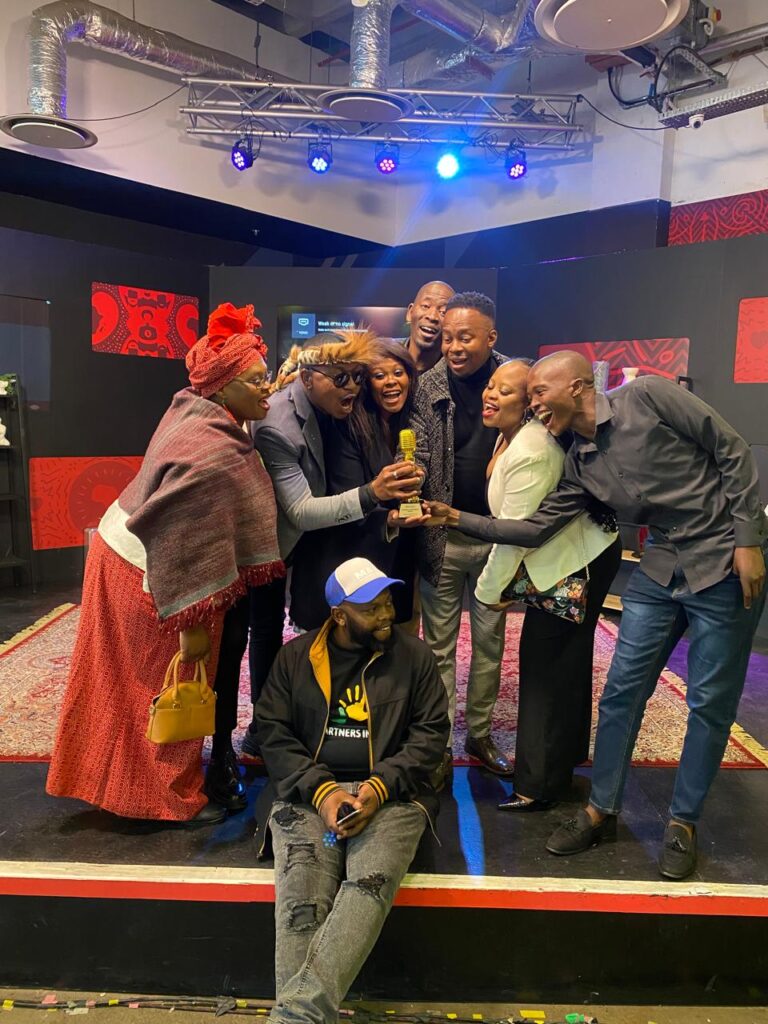
- South African Music Awards (SAMA): The country’s premier music awards, recognizing outstanding achievements in the South African music industry.
- AfrikaBurn: A cultural festival similar to Burning Man, celebrating creative expression and community building.
- Cape Town International Film Festival: The biggest film festival in South Africa, attracting international filmmakers and audiences.
- Sports Events: Major sports events, like the Rugby World Cup and Cricket World Cup, bring international attention to South Africa.
5. Digital and Online Entertainment
- Streaming Services: South Africa is seeing rapid growth in digital entertainment, with platforms like Netflix, Showmax, and Amazon Prime becoming increasingly popular.
- Gaming: South Africa is one of the largest gaming markets in Africa, with popular games like FIFA and Call of Duty. Local game developers are also emerging.
- Social Media Influencers and Content Creators: The rise of YouTube and Instagram influencers has revolutionized entertainment, with many South Africans gaining large followings for their content in comedy, beauty, fashion, and gaming.
- Esports: The gaming scene is expanding, with increasing involvement in eSports competitions, which attract local and international gamers.
6. Fashion and Modelling
- Fashion Industry: South Africa is home to a vibrant fashion scene, with annual events like Cape Town Fashion Week and Durban Fashion Fair.
- Models and Designers: Designers like David Tlale and Gert-Johan Coetzee have made international waves, while models such as Shashi Naidoo and Lira have become household names.
- Street Style: Johannesburg, Cape Town, and Durban are also known for their street fashion, influenced by local and international trends.
Economic Impact and Challenges
- The entertainment industry is a significant contributor to South Africa’s economy, providing jobs and generating revenue through tourism, events, and media exports.
- Challenges:
- Access to Funding: Many South African entertainers face difficulties in securing investment for projects.
- Global Competition: South African content has to compete in a global market with high-budget productions.
- Transformation: There are ongoing efforts to address racial and gender disparities in the entertainment industry, ensuring more equitable representation.
Future Trends
- Digital Innovation: The entertainment industry is evolving with advancements in virtual reality (VR), augmented reality (AR), and interactive experiences.
- International Collaboration: South African filmmakers and musicians are increasingly collaborating with global talent, positioning the country as a significant player in the global entertainment industry.
- Youth Engagement: The younger demographic, with its tech-savvy and digital-first mindset, is driving changes in how entertainment is consumed, especially via mobile platforms.
South Africa’s entertainment industry is dynamic, deeply embedded in its diverse culture, and continues to grow, making significant contributions to both the local and global cultural landscape.
About the Author